Download the full report from our Resources page
Impact Report 2026
In September 2025, after almost 15 years in operation, we sunsetted our previous organization, the Urban Manufacturing Alliance (UMA). In its place, we launched Mechanism: a new nonprofit working with communities and manufacturers to create production ecosystems that increase local resilience and well-being.
The need for change was clear. Although we saw a lot of success as UMA, we also observed how inequality, disruption, and instability operate as a feature, not a bug, of the economic system in which we aspired to foster just conditions.
UMA built its reputation by giving leaders from a range of professions the capacity to promote diverse, locally-rooted manufacturing as a vehicle for equitable community development. But the long-term impact of these initiatives continue to be overshadowed by traditional measures of economic development - where the “success” of any investment, be it public or private, is largely measured by production output, business profit, and, at a larger geographic scale, GDP. These standards may be useful for large, multi-national companies whose goal is to produce as many things as possible to gain as much profit as possible, but the ripple effects of this growth-for-growth’s-sake approach to industry influence the deterioration of social, health, and economic conditions for local companies and surrounding communities.
Whereas UMA was an intermediary for the manufacturing sector, Mechanism is committed to helping communities shape and inform that sector. In our first operating year as Mechanism, we have helped U.S. cities and regions create a vision of manufacturing (what we now call “production,” because the term better encapsulates all forms of creating a physical product) that works for them. To help places address the economic challenges of now while planning for more climate and economic shocks like the kinds we’ve seen in recent years, our new objective is to help people and places build production ecosystems rooted in relationships, community governance, and necessity, so that there is agency in how production happens, who participates, and who benefits.
To us, it’s the only way we can collectively slow the environmental, economic, and social challenges unfolding before us. Addressing these interrelated issues in unison will ensure less people are left behind economically, and more places have the power and infrastructure to create what their residents actually need in times of calm and in times of hardship.
This impact report tells the story of how we are achieving this so far. While UMA may have come to an end after 15 successful years, Mechanism is now urgently moving forward on a new path.
In solidarity,
The Mechanism team
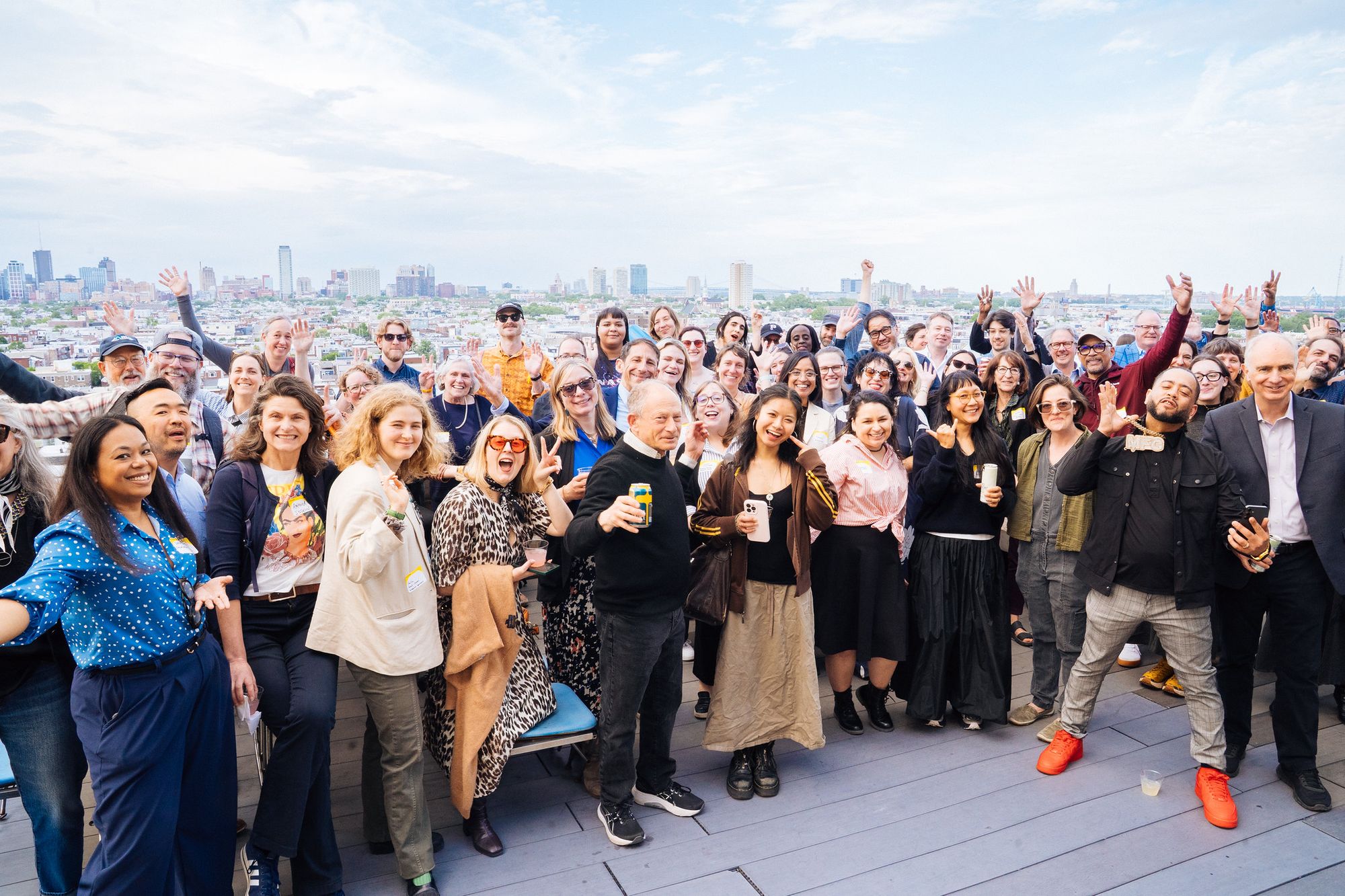
Photo Credit: Arekusn
Mechanism is advancing its mission by working in four impact areas:
- Engaging residents to lay the foundation for community-led production
- Empowering workers and the leaders that support them
- Creating knowledge and action partnerships that span geographies
- Disseminating groundbreaking ideas on production as a source of community power
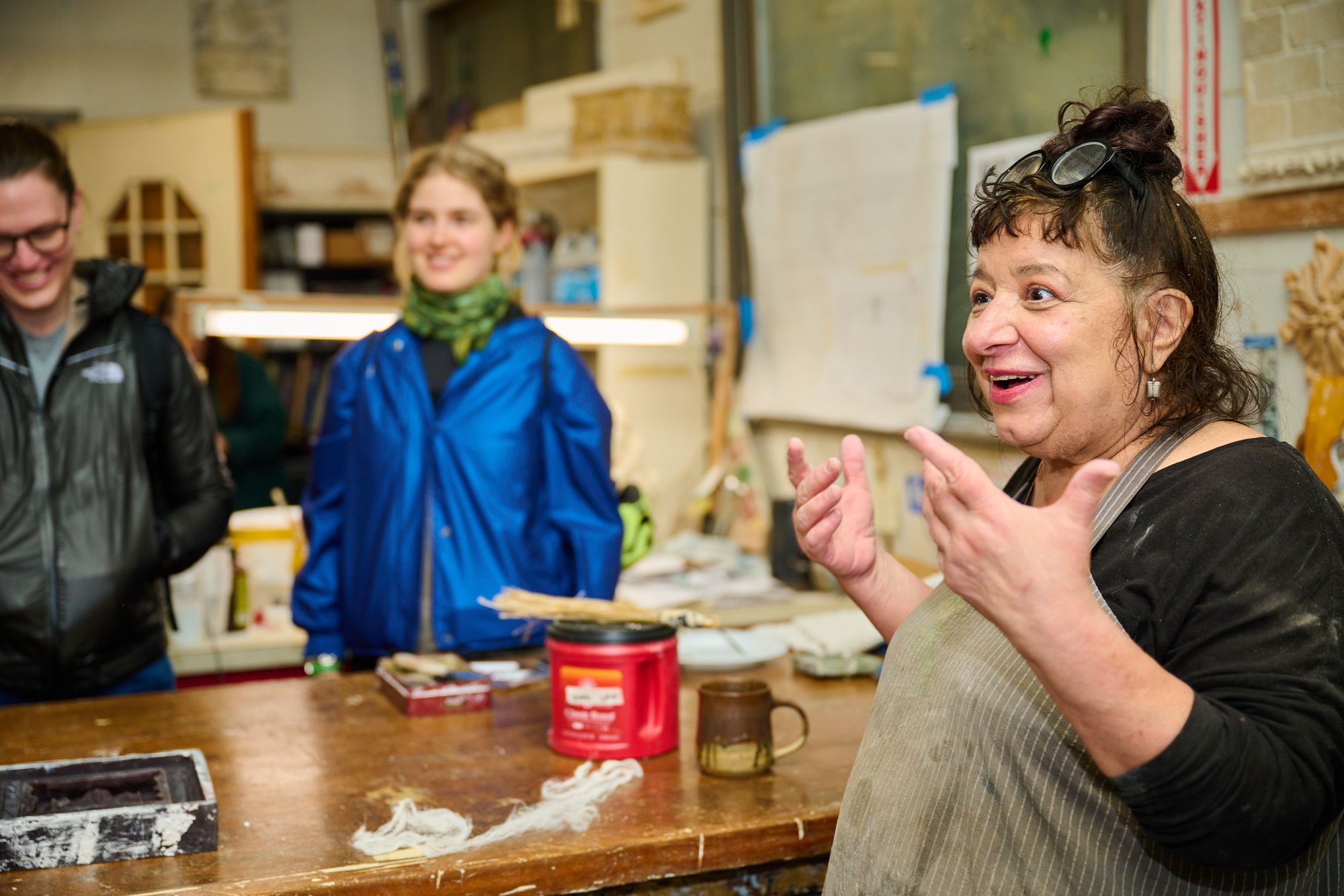
Photo Credit: Brandon C. Ballard
1. Engaging residents to lay the foundation for community-led production
Appalachia Local Lab
“We were excited to work with Mechanism around engaging stakeholders around what our existing assets are, and then how do we scale that up to build a comprehensive reuse ecosystem … We want to have a cross-state vision with multiple stakeholders all wanting to get on the same page.” -Amanda Woodrum, Founding Co-Executive Director, ReImagine Appalachia
What We Did
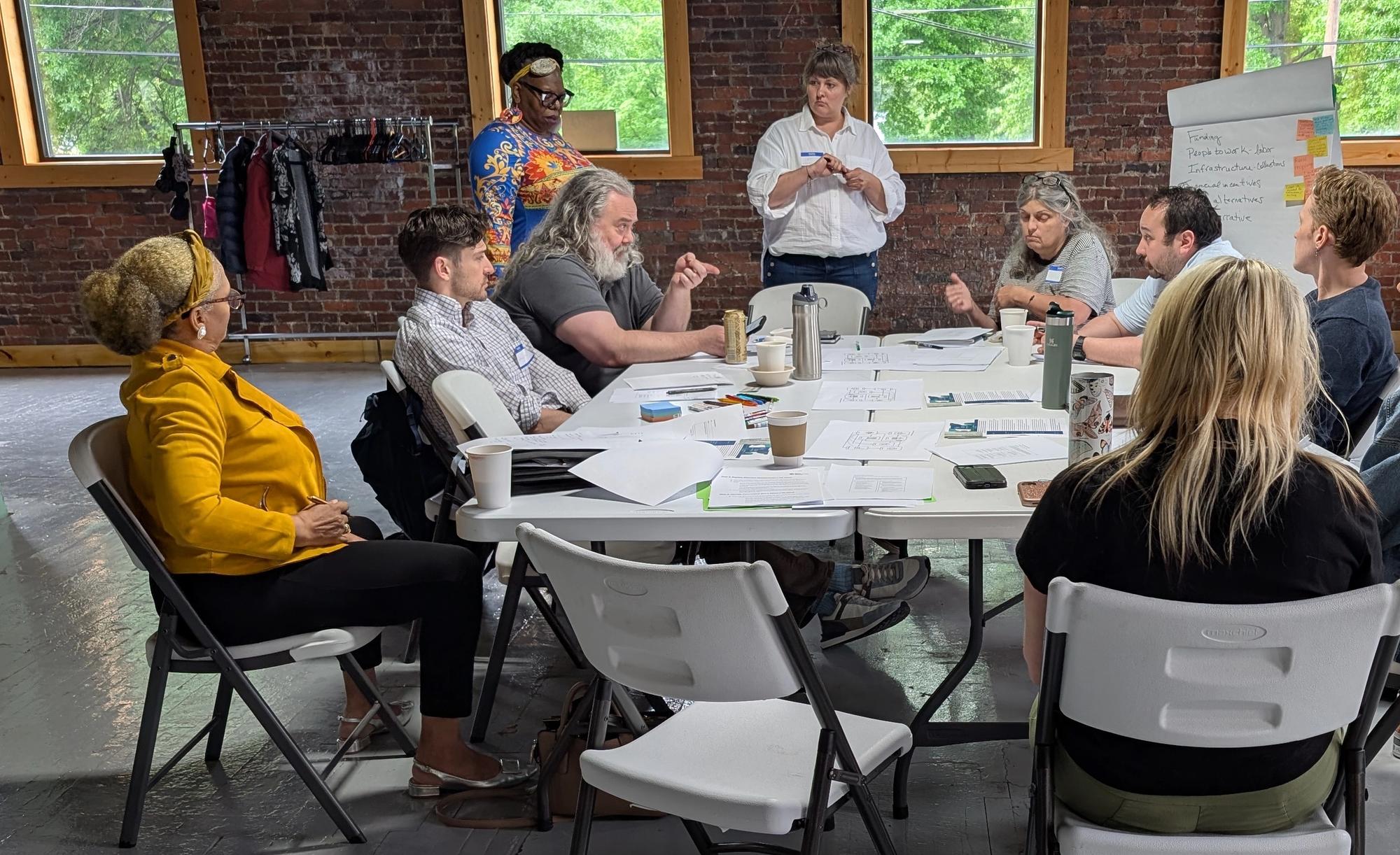
The Appalachia region is preparing a community-led manufacturing plan. Our Appalachian Reuse-focused Local Lab brought stakeholders together to identify challenges and opportunities for the development of a circular economy-based manufacturing sector. Nine months of planning led to one in-person and two virtual convenings.
Example of Impact
The Local Lab’s findings are a central part of ReImagine Appalachia’s Appalachian Manufacturing Action Plan. ReImagine Appalachia toured this plan across the Appalachia region during Summer 2026 to receive feedback from residents.
Western NC Local Lab
“Mechanism [got] in touch with the right people in town. A lot of the makers know each other and kind of grumble about the same things that we need, but nobody was spearheading keeping record of that … and I feel like Mechanism did a good job at that.” - Amy Murashige, owner, Sugar & Snow Gelato
What We Did
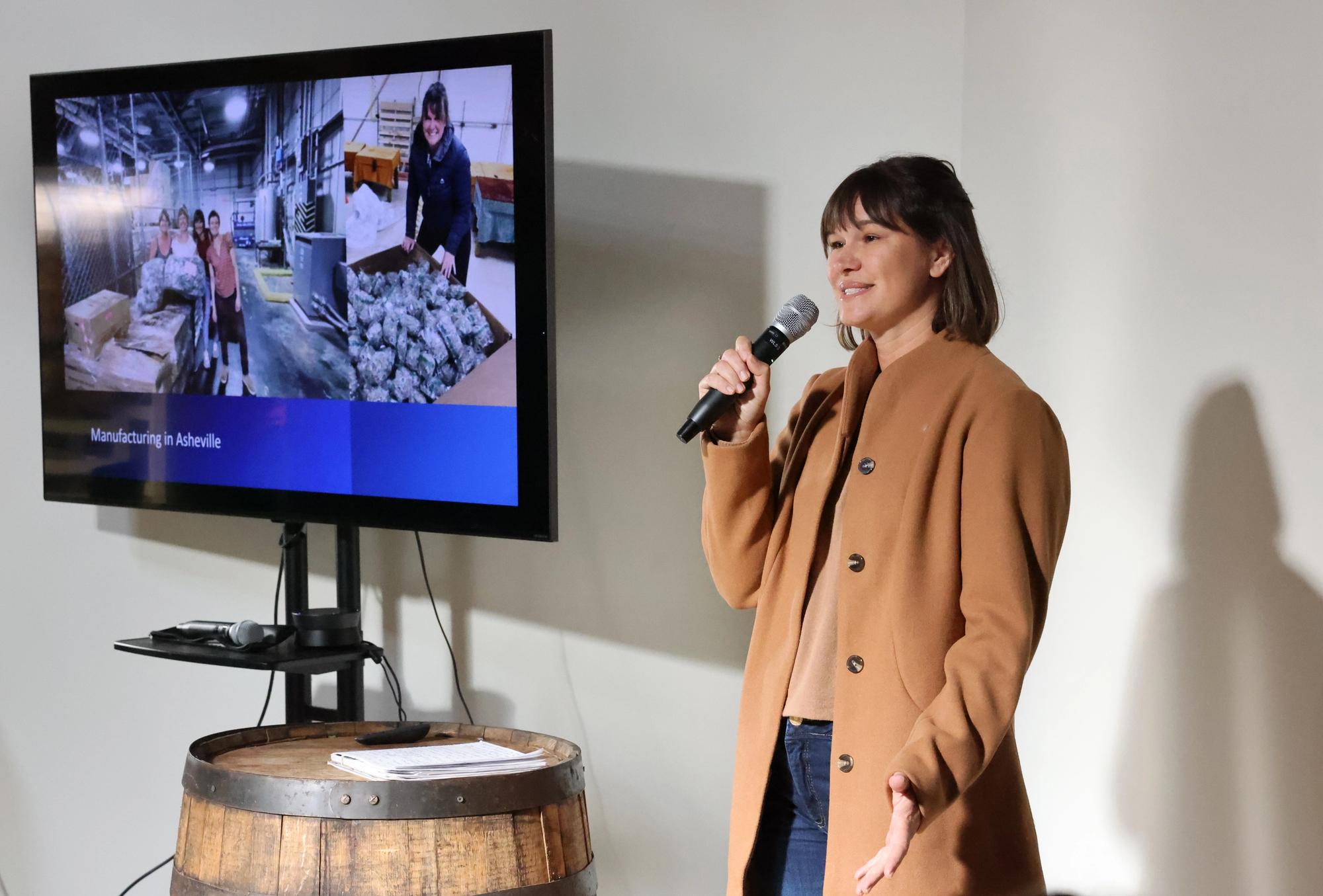
In the aftermath of a natural disaster, what do local business owners need to recover their livelihoods? The Western NC Local Lab brings together food and beverage producers to answer and actively solve that question, following Tropical Storm Helene. Funding from the Ewing Marion Kauffman Foundation, Truist Foundation, and a 2026 Resilient Futures Co-Lab microgrant has propelled the Local Lab from its initial learning phase into action. The Local Lab is now working on an ecosystem mapping project, plus training and technical support for makers and manufacturers and their workforce.
Example of Impact
From July 2025 to January 2026, the Local Lab team engaged more than 60 stakeholders to find out what the food production ecosystem in Western North Carolina needed in the devastating wake of Tropical Storm Helene.
Cincinnati Local Lab
“I’m thankful for Mechanism and I'm thankful for the Greater Cincinnati Makers Collaborative … We just love the collaboration. So many of [the GCMC’s] activities and our activities overlap. I love what they're doing. I’m very involved with people that I've met through that.” - Jenny Brewer, Cincinnati Recycling & Reuse Hub
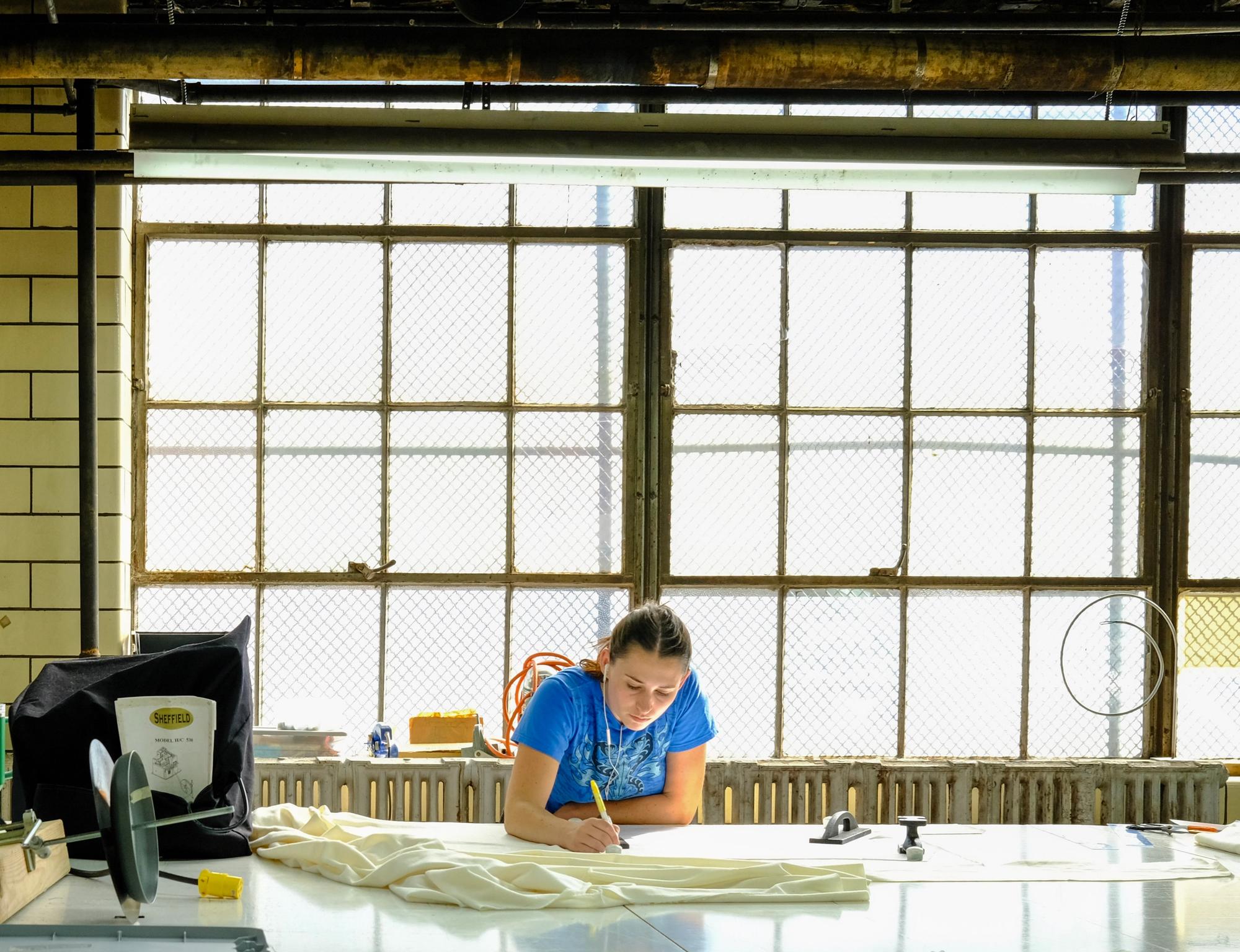
What We Did
Mechanism’s six-year intervention to unite Cincinnati’s maker community led to the official launch of the Greater Cincinnati Makers Collaborative in 2025. The GCMC is led by makers, for makers. It collaborates with the community to create strategies to improve the maker ecosystem while giving voice to liaise with policymakers, city and state governments, and other services providers.
Example of Impact
After participating in the GCMC, the Cincinnati Recycling & Reuse Hub began developing a new online platform for collaboration among local textile makers, with a focus on reused materials. The Hub is also looking for a new location and wants to incorporate space for makers into its next home, thanks to the GCMC’s influence. The GCMC’s reach expanded to public agencies via frequent sessions with the City’s Office of Economic & Community Development and the Cincinnati Port Authority.
Massachusetts Textile Design & Manufacturing Ecosystem Project
“Mechanism’s research essentially validated what we've been observing all along, but now gave credibility to what we were saying, because it was an objective third party that went with proven survey and statistical methods to come up with its findings.” - Deepa Krishnamurthy, Co-Founder and CEO, Nterprisers
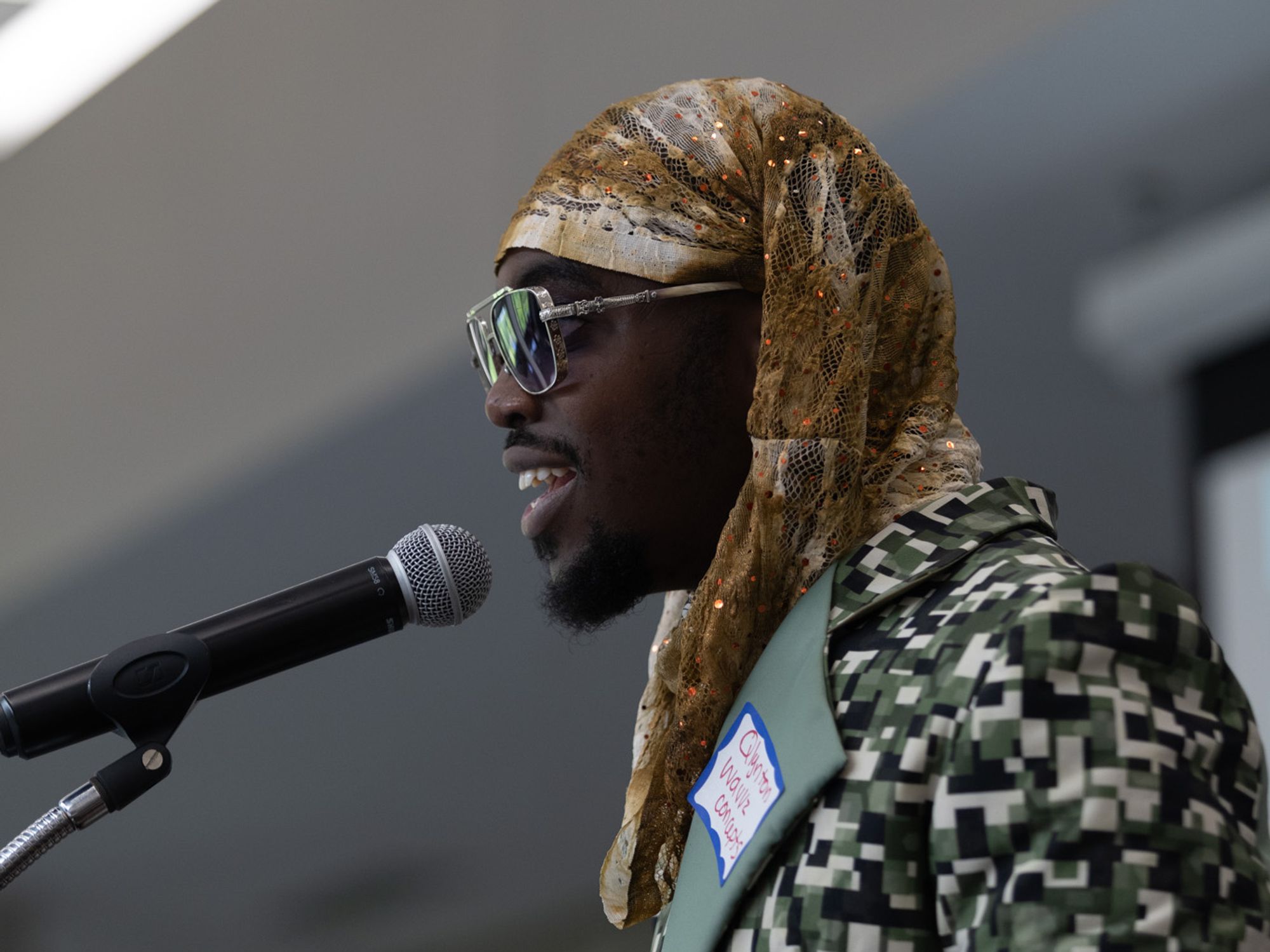
What We Did
Massachusetts’ textile and soft goods manufacturing sector is a major part of the state’s history, and the local producers active in the sector today are hungry for connection and resources. Mechanism worked with MassDevelopment’s Transformative Development Initiative to bring them together and create research around what’s needed to form a 21st-century textile manufacturing ecosystem.
Example of Impact
Mechanism worked with local producers to form stakeholder groups whose insights guided the project vision. A one-day convening in Fall River brought together 66 sector leaders from across the state to deepen learnings, build connections, and discuss paths forward for turning this research into action.
Pittsburgh Local Lab
“Especially after seeing [Mechanism’s] previous work … What I'm hoping for is creating that connectedness in such a way that it's not extractive, and can build capacity and really strengthen everyone’s work here.” - Amanda Pagniello, Co-Founder of Zeromile
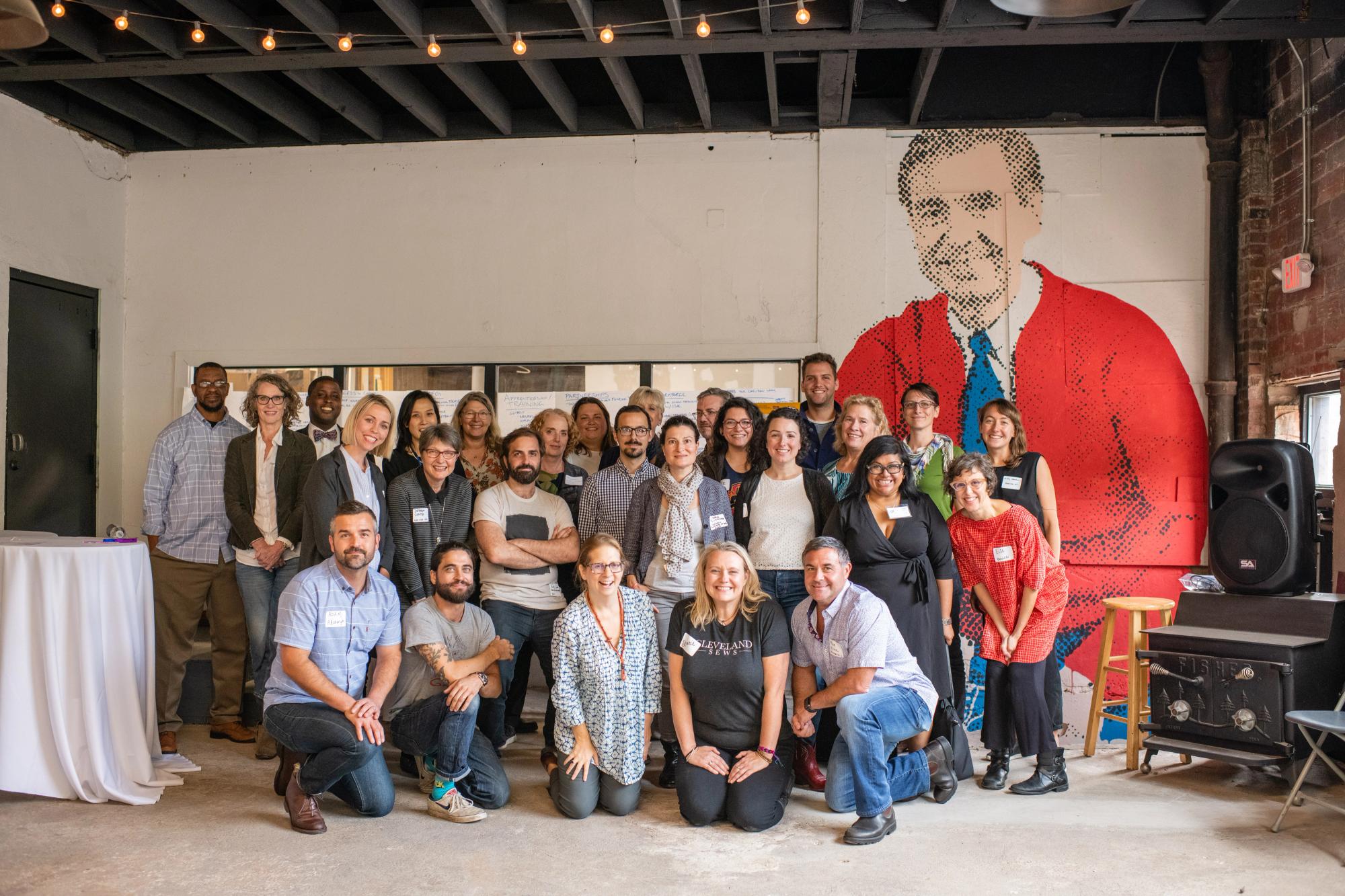
What We're Doing
Our Local Labs team is forging ahead with a new Lab in Pittsburgh. Mechanism is bringing together community members, manufacturers, ecosystem partners, and industry allies to create and enact a community-led vision of local food production and manufacturing in the Pittsburgh area.
Example of Impact
While still in its early stages, the Pittsburgh Local Lab has assembled a broad range of actors into its Working Group. The project will be led by a mix of food manufacturers, food distributors focused on food sovereignty, and food policy advocates.
2. Empowering Workers and the leaders that support them
Engaging Businesses in Worker Voice
“We’ve developed an understanding of the pain points - and this will help us with how we can best be an intermediary and serve the needs of workers and businesses.” - Michelle Paul, CEO of Capital IDEA Houston
Credit: Giant Click Photography
What We Did
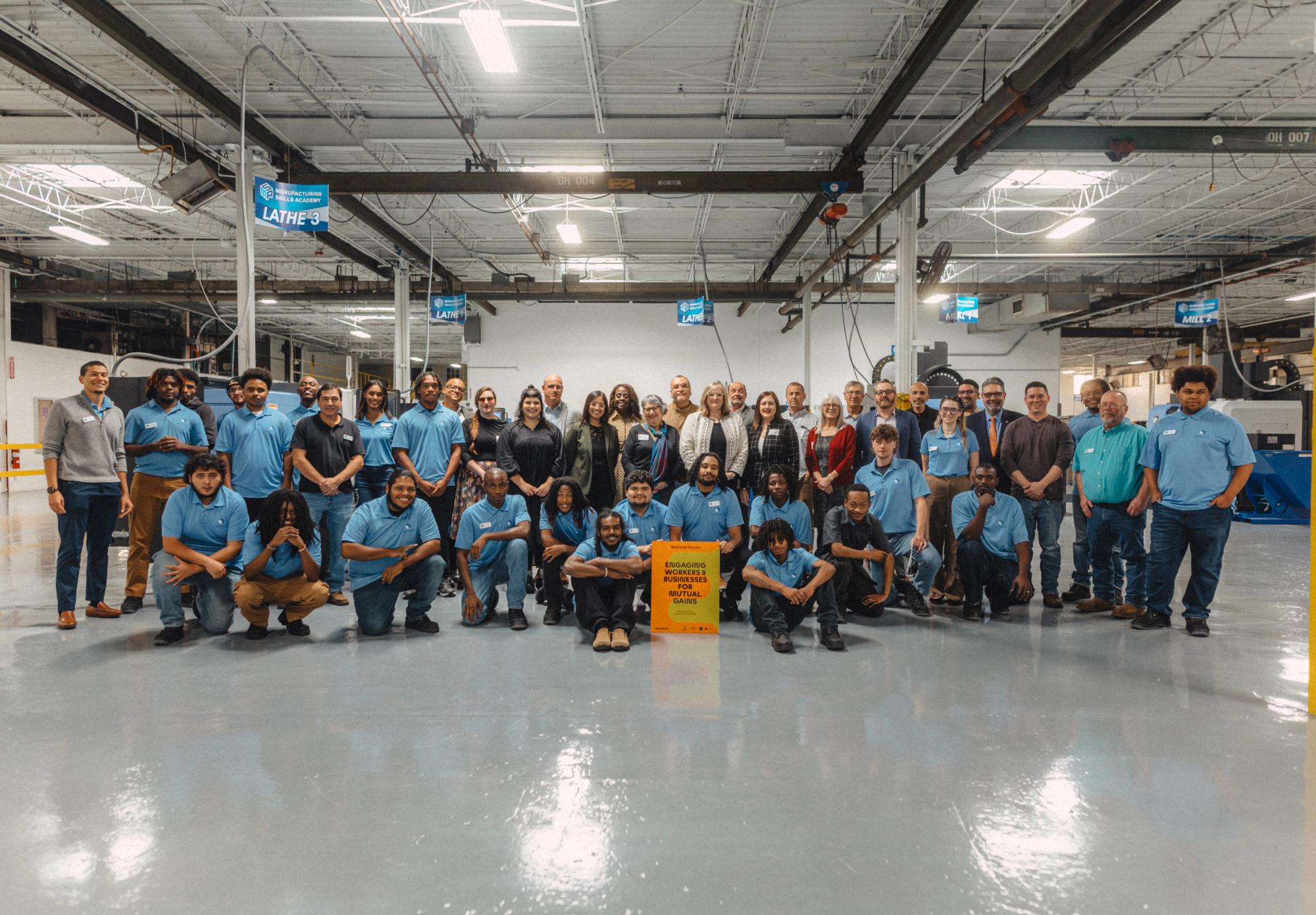
In partnership with two workforce intermediaries in Oklahoma and Texas, Mechanism piloted a process that directly engages workers and small manufacturing businesses to improve job quality, workplace practices, and business outcomes. With our guidance, local partners interviewed dozens of employers, managers, and workers across both states, surfacing concrete practices for better working conditions. They're now turning those insights into a roadmap for scaling what worked.
Example of Impact
Capital IDEA Houston is developing new apprenticeship pathways in partnership with a local metalworking industry association, and will integrate methods to elevate worker voice with dozens of small and medium-sized metal working businesses.
Industry and Inclusion South
“It surpassed my expectations ... Every interaction I had with either the members of the cohort, the programs team, or either one of the coaches or all of the coaches was fantastic. I cannot say enough good things about the program." - Participant from St. Petersburg College
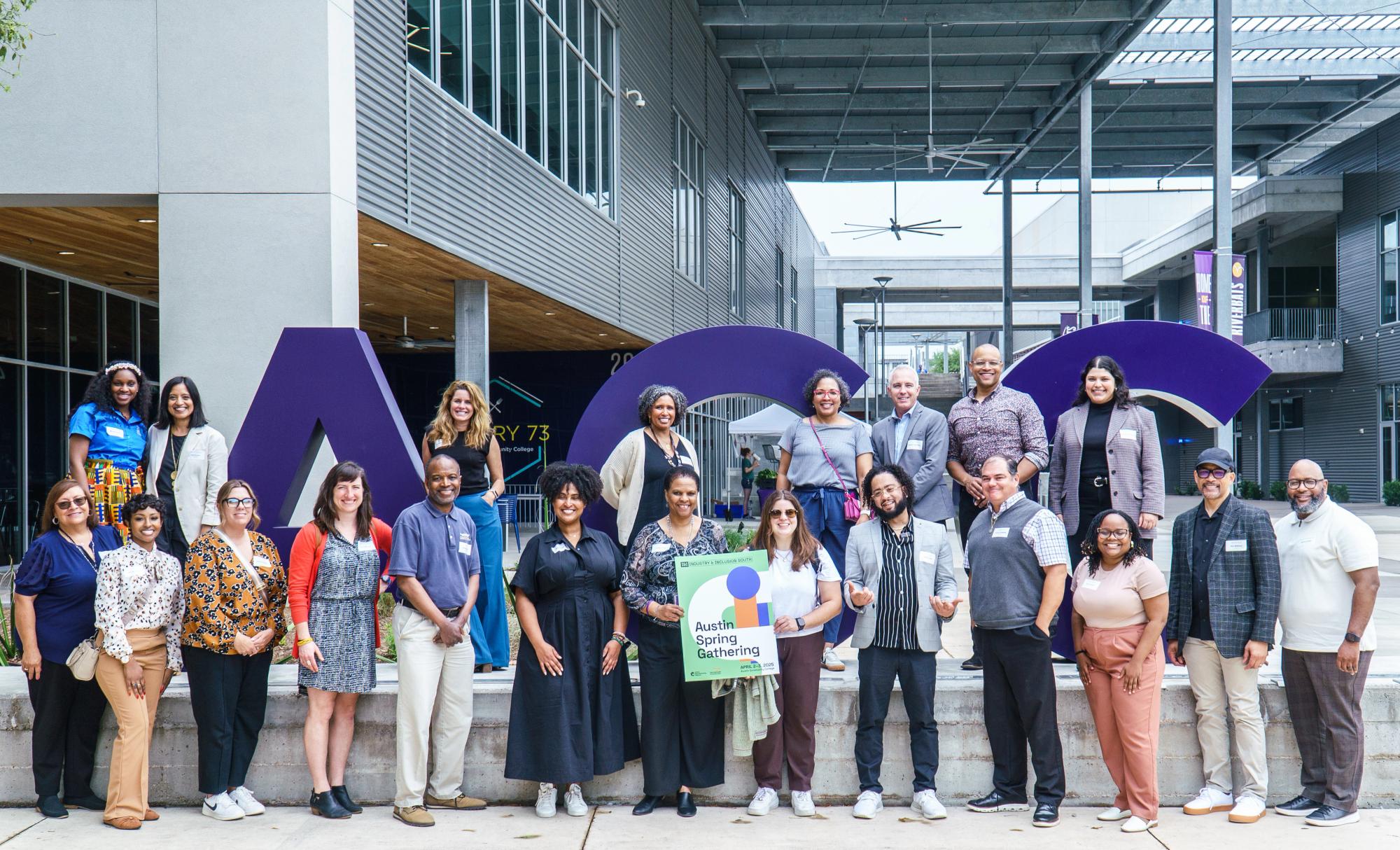
Photo Credit: Eco Brandi
What We Did
The American South has been a magnet for private investment and government incentives to support manufacturing. With Industry & Inclusion South, Mechanism helped community colleges in five states evolve their workforce training initiatives in anticipation of this boom, with a focus on recruiting workers from communities traditionally underrepresented in manufacturing. Industry & Inclusion South was Mechanism’s fourth I&I cohort.
Example of Impact
All participants surveyed after the program rated I&I South highly, from 8/10 to 10/10. They said it helped validate and simplify internal ideas, provided external validation for new directions they want to propose to senior leadership, and helped them build out and simplify problem statements.
3. Creating knowledge and action partnerships that span geographies
Flexible Product Fabrication Collective
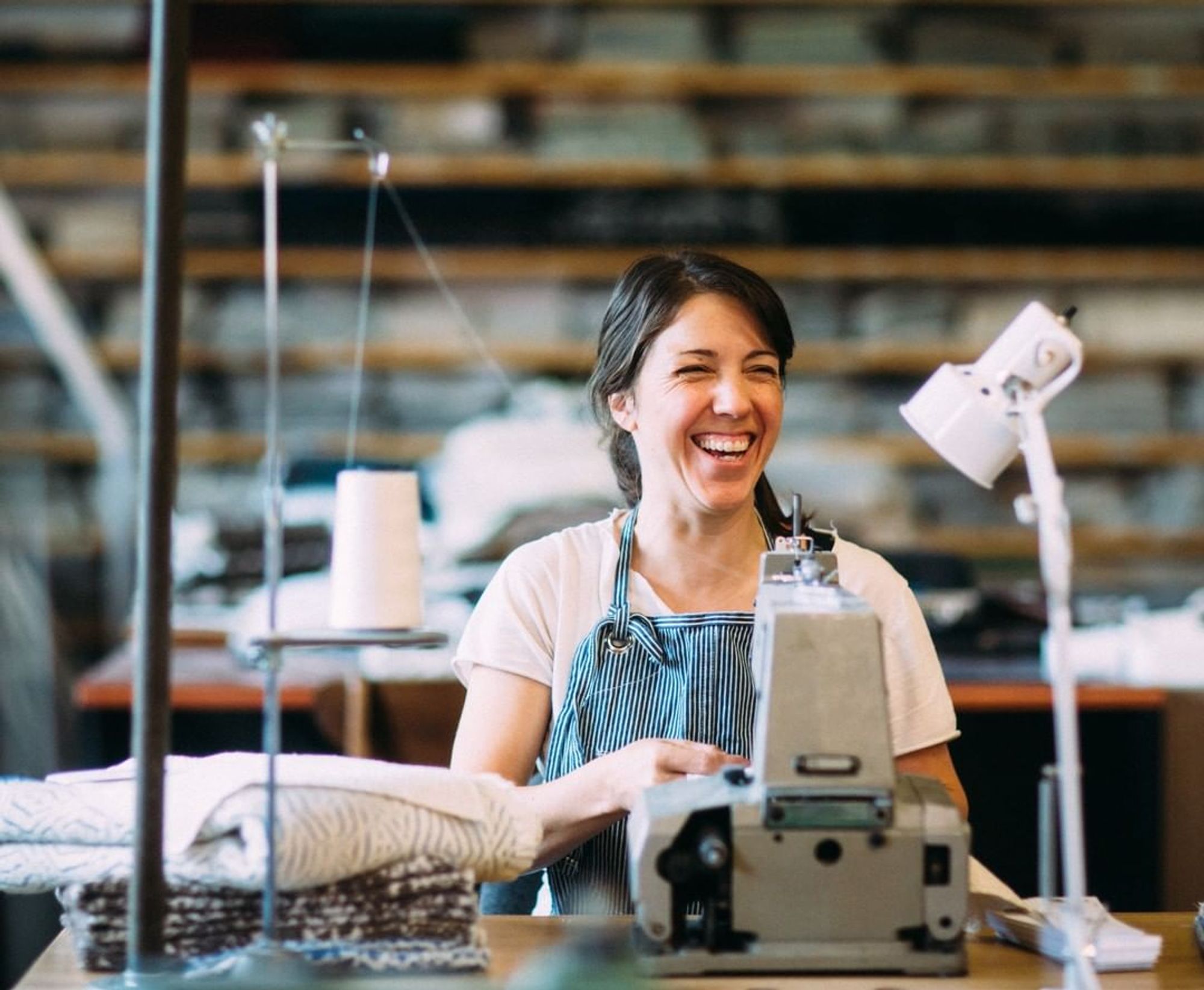
“There have been relationships that have been built through FPFC and some of those have led to some sort of partnership or business transaction ... I think that Mechanism is bringing together people that have limited resources, so FPFC is a way of tapping into some resources that they otherwise couldn't afford or don't have time to go get.” - Jennifer Guarino, President and CEO of Industrial Sewing and Innovation Center (ISAIC)
What We Did
For seven years, the Flexible Product Fabrication Collective (FPFC) has brought together organizations and businesses from across the country to gain valuable relationships, useful information, and support from one another. When you put these stakeholders in the same room - virtually or in-person - they realize they’re not alone in the challenges they juggle, and solutions begin to take shape.
Example of Impact
By 2025, the FPFC had established a network of 334 people and organizations. The FPFC Showcase series documenting 10 innovative flexible product businesses from across the country had nearly 350 attendees.
Community Makerspace Development Strategy
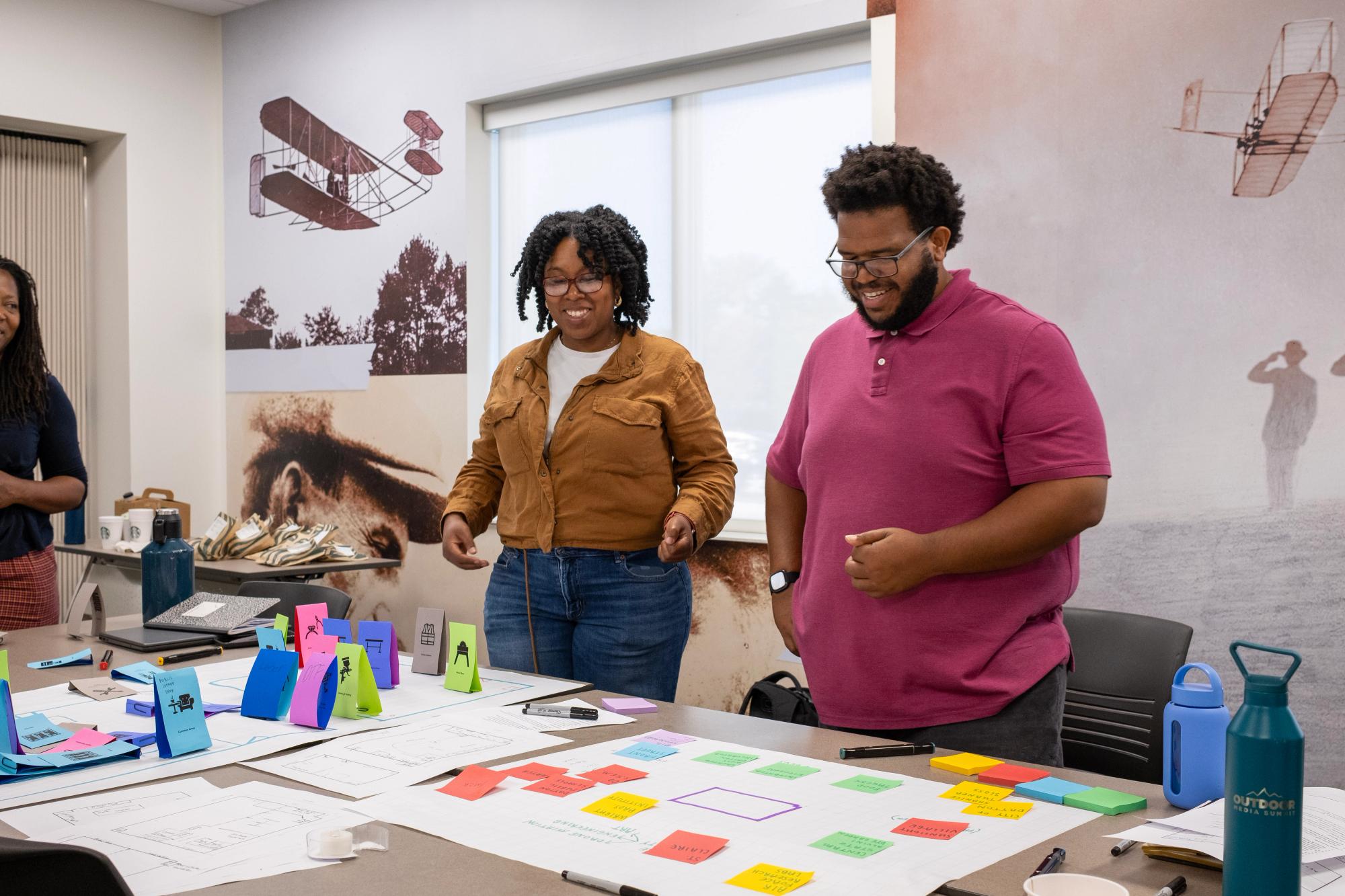
“It definitely gave me more confidence that we can find what works for our community, just by seeing pieces that might fit us from these other makerspaces.” - Alvin Wilkerson, Co-Founder at Westside Makerspace
What We Did
Westside Makerspace in Dayton, Ohio is growing. As they expand into a bigger facility and consider a cooperative ownership model, Mechanism identified 11 makerspaces across the country who could provide expert guidance. Taking the advice those makerspace leaders shared, Mechanism and Westside Makerspace created a strategy framework that contains national best practices on creating a community-led makerspace.
Example of Impact
Thanks to Mechanism’s involvement, Alvin Wilkerson, one of Westside Makerspace’s founders, said he and his team are “definitely more confident now” that they can forge the right path forward for Westside. His capacity as a leader has also grown because of what he's learned from makerspace peers.
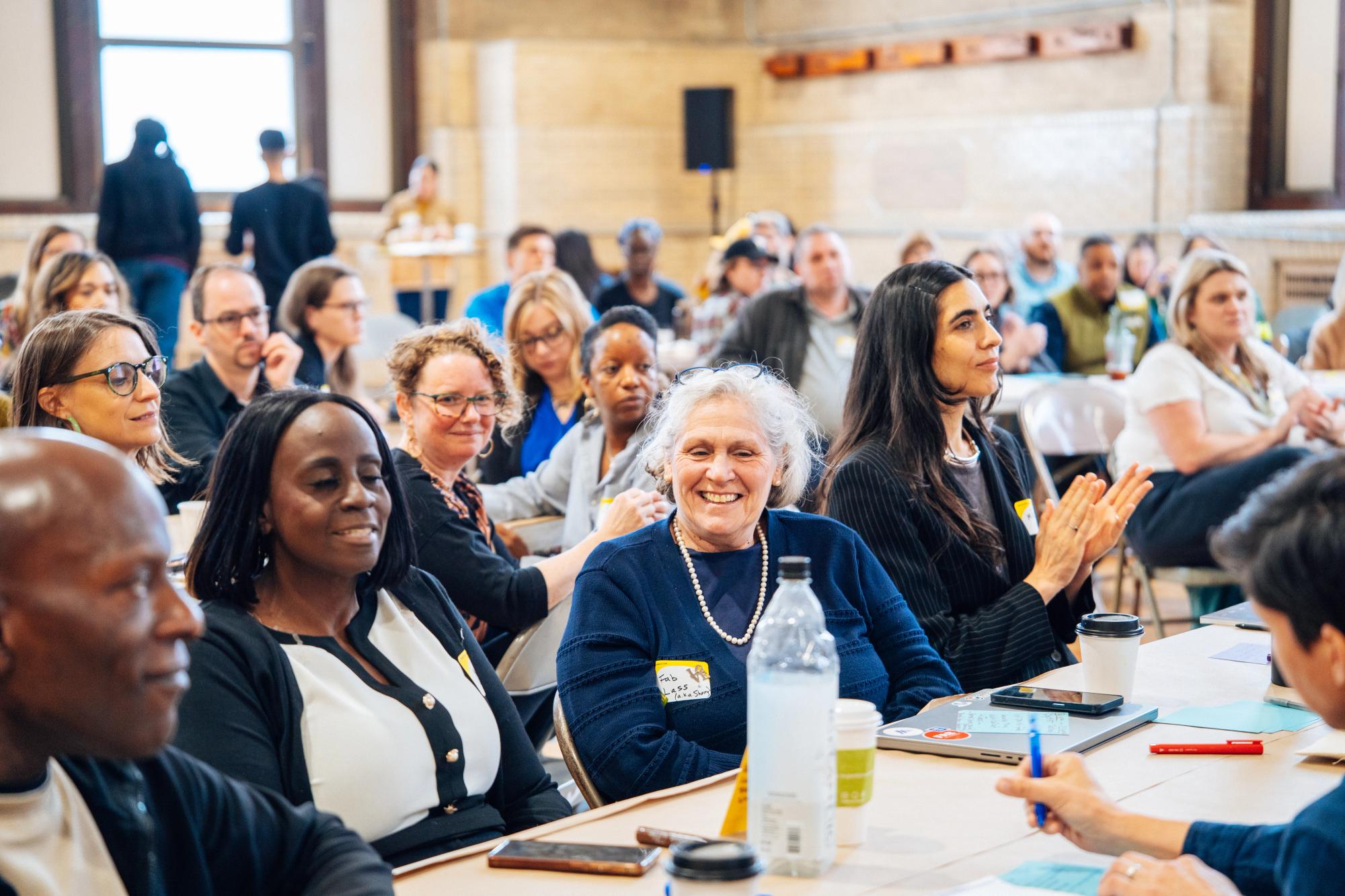
Photo Credit: Arekusn
4. Disseminating groundbreaking ideas on production as a source of community power
Recent Reports
Mechanism documented the breadth and impact of its national programs with six new actionable reports and toolkits. These contain clear steps forward based on what local production ecosystems need right now, rooted in the insights shared with us by local program participants.
July 2025
Using Design Jams to explore a circular economy and its buildout in Appalachia
February 2026
Asheville Local Lab: Recommendations to Strengthen Local Food & Beverage Production
February 2026
A community-centered roadmap for growing local creativity and entrepreneurship through makerspaces
April 2026
Policy Lessons from the Industry & Inclusion South Cohort Amid Shifting Federal Priorities
June 2026
June 2026
Creative Funding Strategies for Food & Beverage Manufacturers
The Mechanism Podcast
On a weekly basis, Mechanism speaks with brilliant people who are shaping the future of local production across the U.S. Our podcast is how we amplify their voices and ideas to our broader audience. Produced by Molte Volte, The Mechanism Podcast tells the story of a new kind of manufacturing sector – one that values people and place, and often relies on reused or recycled materials.
This first batch of The Mechanism Podcast included three seasons focused on distinct themes: the innovative leaders in soft goods and flexible product manufacturing; how makerspaces function as community spaces; and elevating worker voice in production spaces. They included 18 episodes, and nearly 30 guests. The episodes attracted more than 2,000 listens.
Conference and Panel Appearances
Mechanism is frequently invited to speak at national conferences and events. We’re one of the only national thought-leaders on how to create place-based production ecosystems guided by the needs, interests, and talents of local communities.
Over the past year, Mechanism’s leadership spoke at the United Nations Science and Tech Forum, the Fab Lab Conference & Symposium, New Growth Innovation Network’s Cityscapes Summit, the Planners Network’s Planning in the Face of Fascism conference, and the Entrepreneurship Funders Network annual conference.
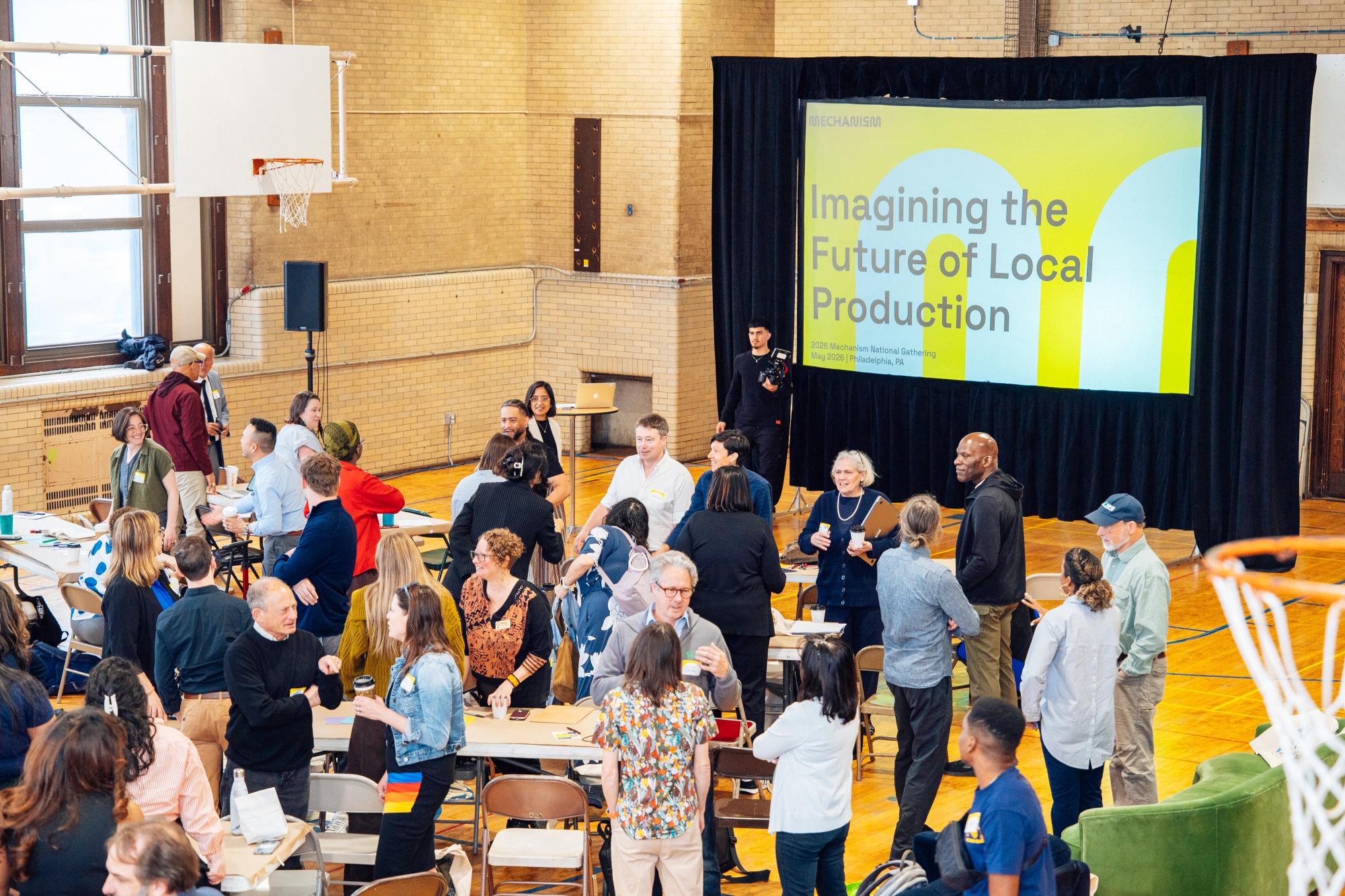
Photo Credit: Arekusn
Our National Gathering: Inspiring a Mindset Shift
The Mechanism 2026 National Gathering in Philadelphia from May 12-14 brought nearly 100 attendees from across the U.S. together to strategize and dream about what’s possible when production is rooted in community, care, and shared stewardship. Participants included makers, manufacturers, policymakers, educators, artists, community leaders, nonprofit leaders, economic development professionals, and more, from Philadelphia and beyond.
The event was dispersed across multiple Philadelphia venues that stand as symbols of what happens when people come together to make and manufacture according to shared values and a commitment to solidarity among production enterprises, residents, and the places they call home. Our opening reception was held at NextFab makerspace in Norristown; the all-day Gathering was held at BOK in South Philadelphia; and our walking tour traversed the Old Kensington neighborhood.
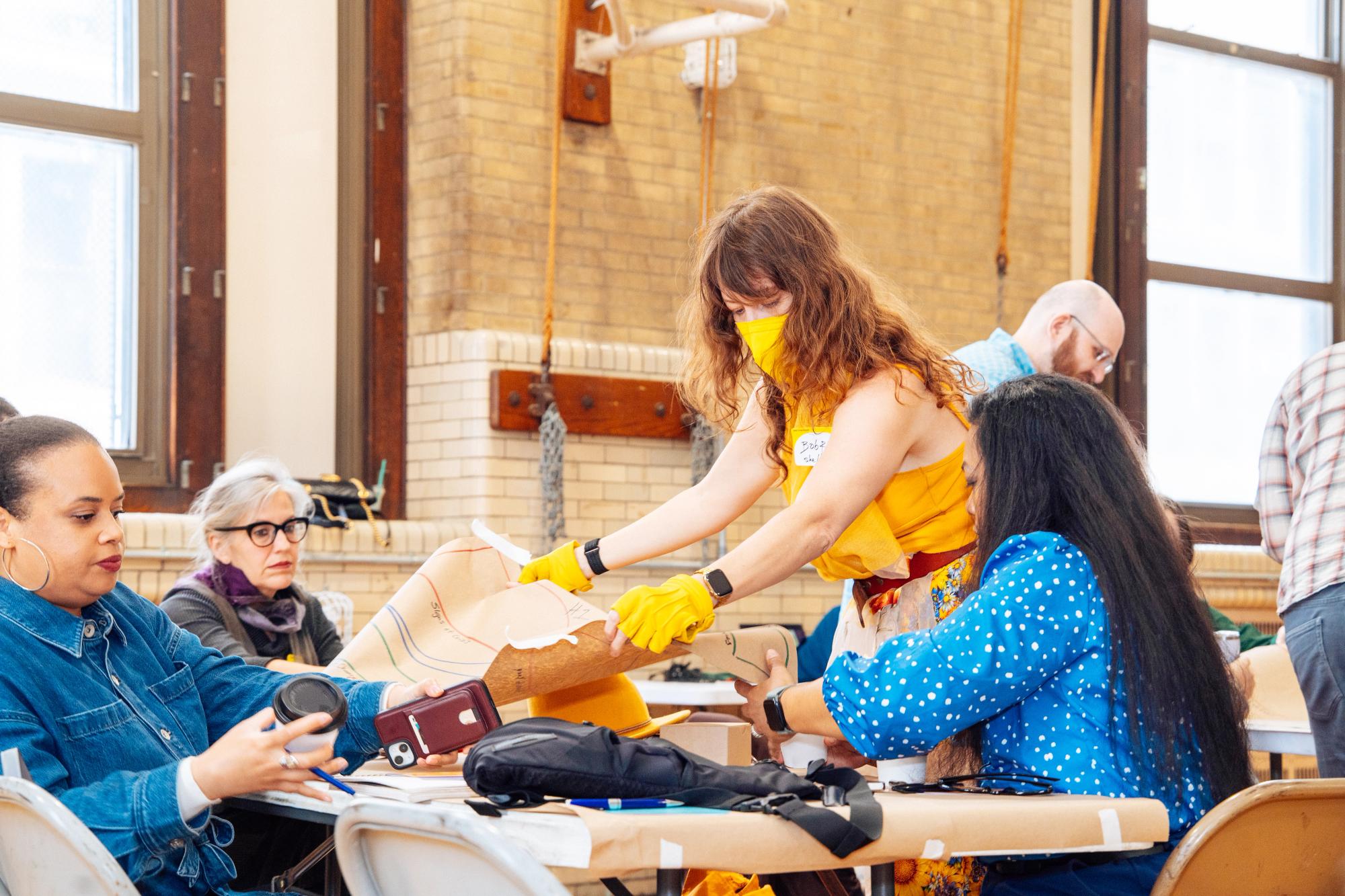
Photo Credit: Arekusn
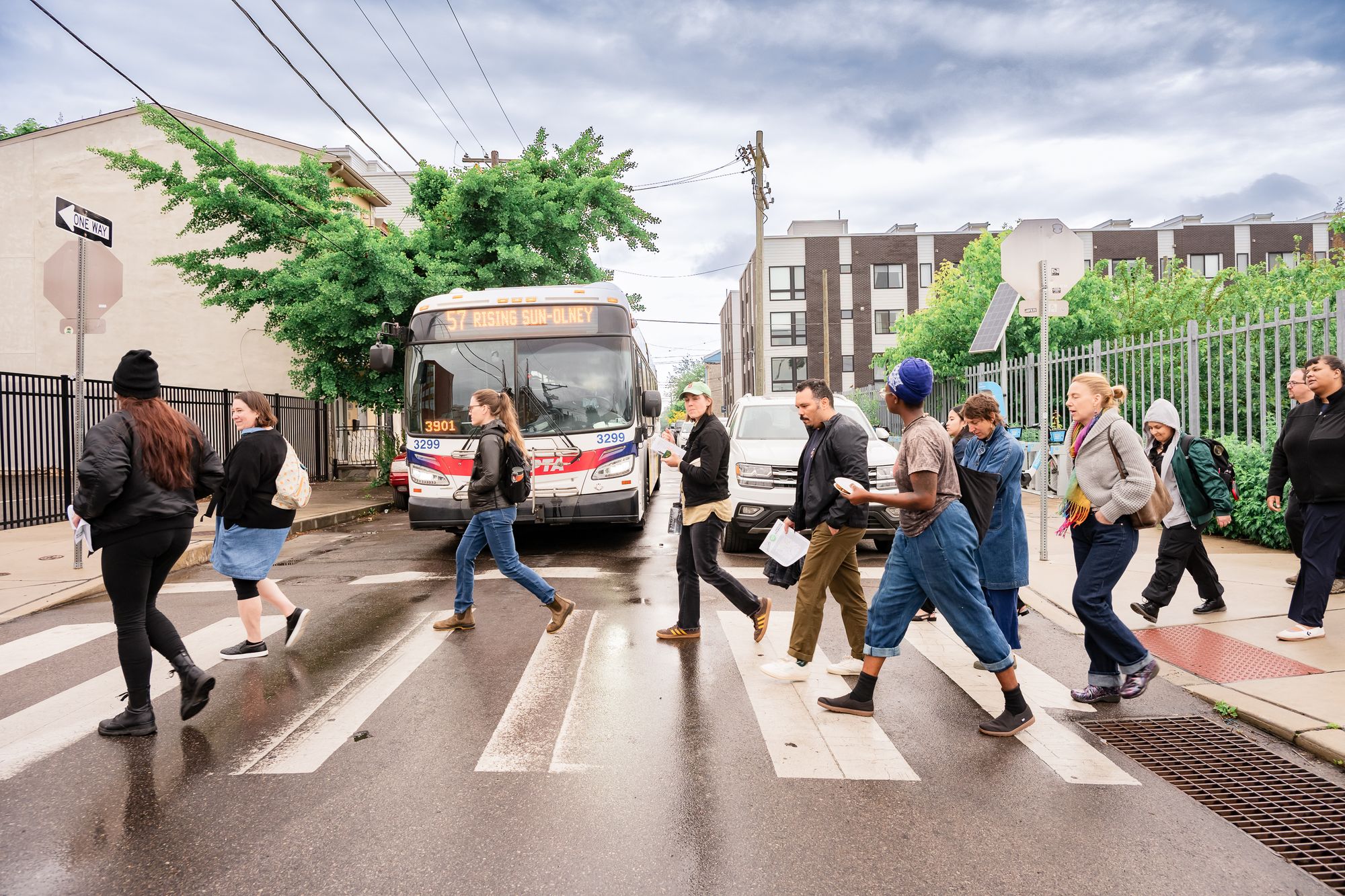
Photo Credit: Cathie Berrey
Across three intensive days of learning and engagement, participants heard from City of Philadelphia Department of Commerce staff, Philadelphia City Council Member Mark Squilla, and thought leaders from Philadelphia who spoke about groundbreaking ideas on community-led economics. They engaged in a Design Jam with a cross-disciplinary team of attendees to reimagine vacant spaces in Philadelphia, conceptually transforming them from empty buildings and lots into initiatives that benefit the surrounding community. On the final day’s walking tour, participants were guided by South Kensington Community Partners members across the neighborhood, with stops at Veyko Design, ReAnimator Coffee Roasters, Crane Arts, and Lost Bread.
Attendees left the event with new connections and a refreshed vision of how to approach their work among today’s political, economic, and environmental challenges. They also left eager to recommend a Mechanism Gathering to their colleagues. Here’s what they had to say:
“I think this conference would be incredibly valuable to many individuals but especially to community-based organizations and organizations that are trying to build impact. And the reason is C-C-C: community, collaboration, co-creation. This conference does that better than anything I’ve ever experienced.”
- Sherry Lassiter, President and CEO, The Fab Foundation
“You're participating. You're just not sitting there receiving information. [It has] that real feel of, you’re bringing yourself authentically into the space to work with others. That’s what I really appreciate. And then the piece with understanding what other people are doing, like all the different organizations – you get to walk away with possibilities.”
- Michelle Paul, CEO, Capital IDEA Houston
“We have to know what the rules are, how to play the game, how to infiltrate and get in front of policymakers to show them that we're not just one, we're a whole community of makers. Together we do amazing things and we're sharing, we're collaborating, we learn from each other … [and] this convening brings all that together.”
- Sophie Heng, Senior Director for Creative Economy Initiatives at Philadelphia Department of Commerce
“The space was very welcoming for ideas because no one was judging anyone. All ideas were welcome.”
- Nakerra Lewis, Launchpad Associate, Launchpad Philly
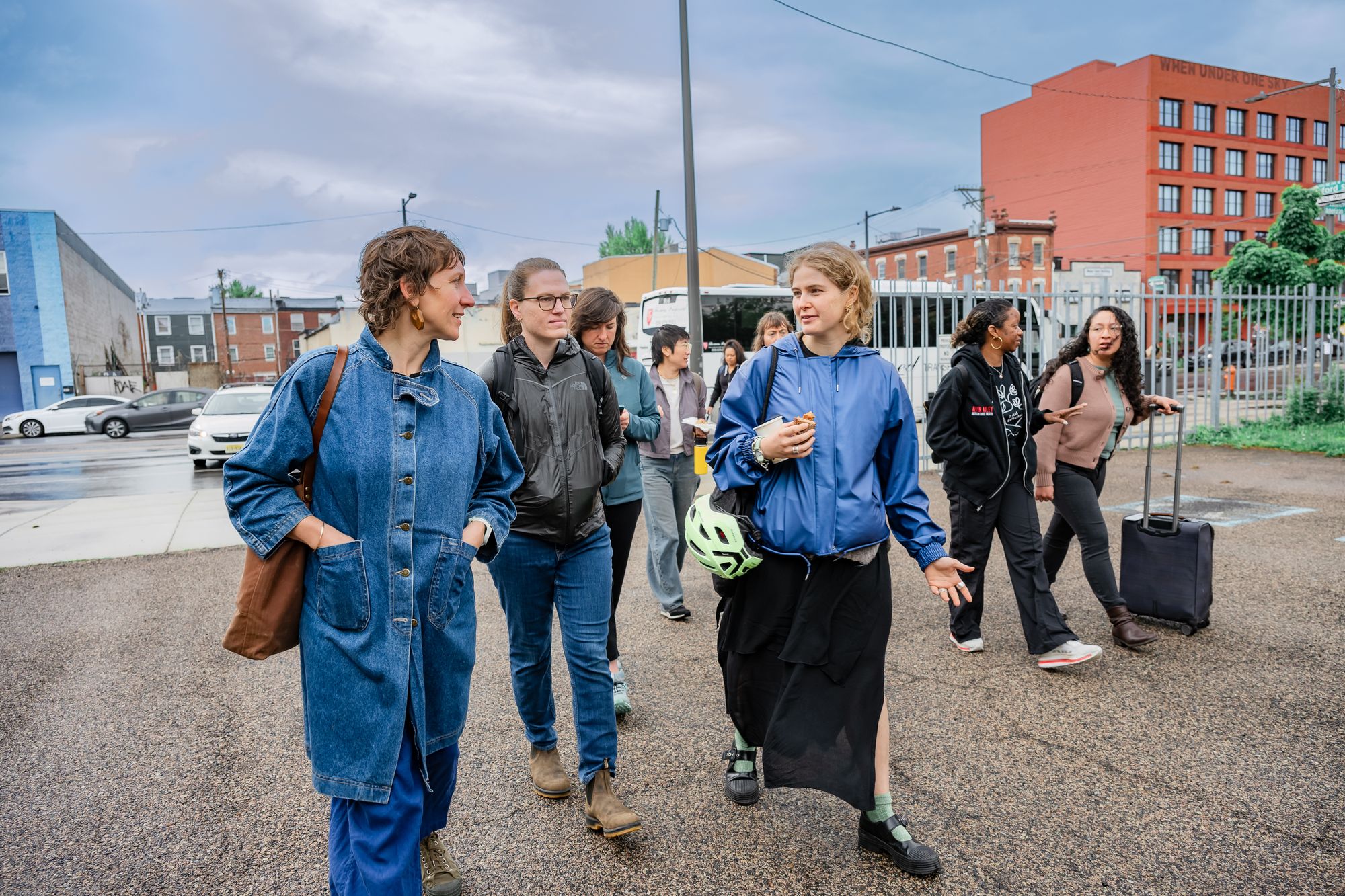
Photo Credit: Cathie Berrey
Mechanism's Reach By The Numbers
13,000+
unique visitors to our website
2,000+
listens to The Mechanism Podcast
42%
growth in LinkedIn followers
69.2%
growth in newsletter subscribers
670+
people registered for 15 events across 6 cities + online
Five
Mechanism launch parties in: Cincinnati, New York, Asheville, Oklahoma City, and Seattle