History
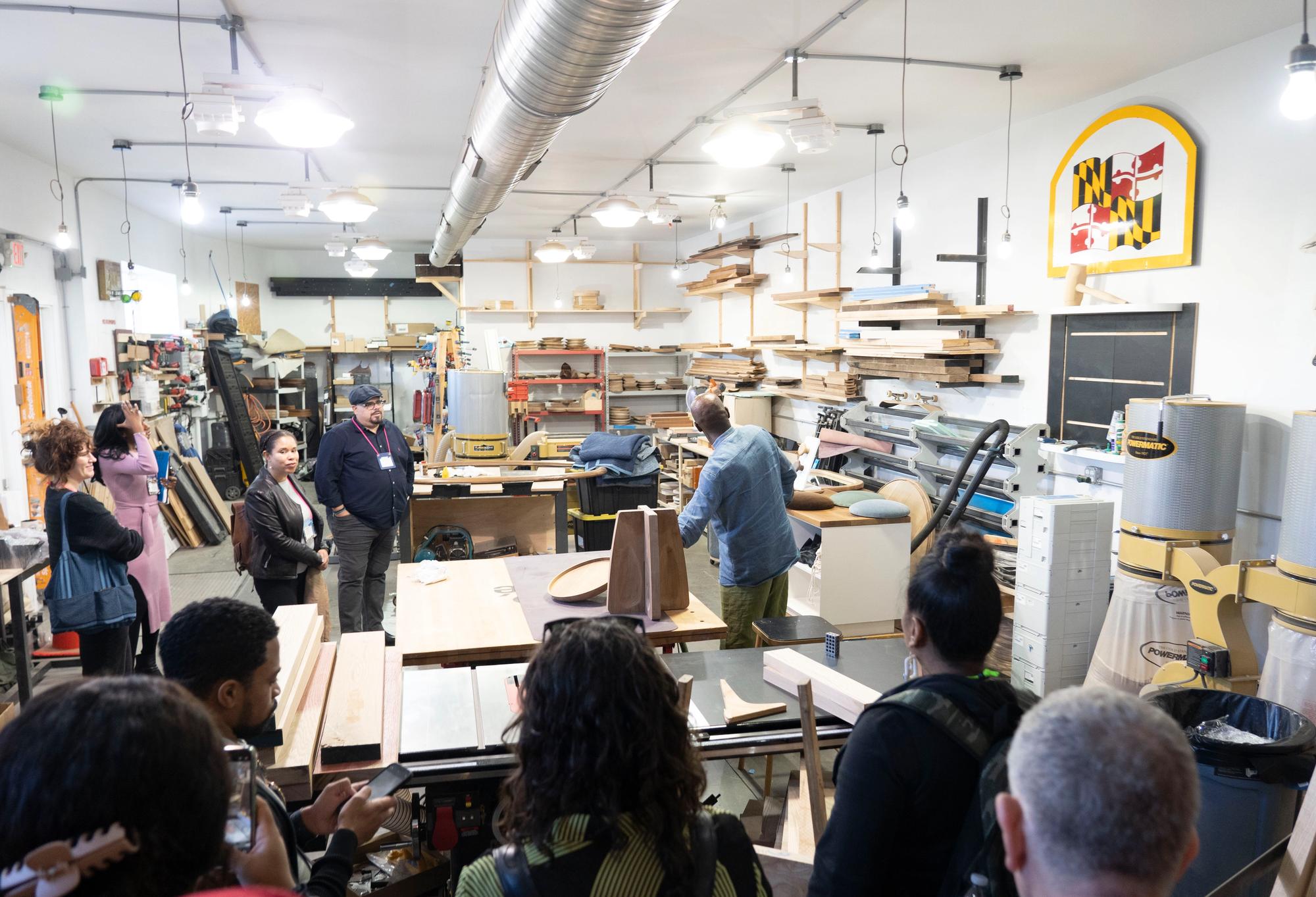
Urban Manufacturing Alliance (UMA) was founded in 2011, as a Commitment to Action out of the Clinton Global Initiative, as the UMA’s two co-founders, Kate Sofis (SFMade in San Francisco) and Adam Friedman (Pratt Center for Community Development in New York City), met and began sharing their experiences supporting manufacturing in their communities.
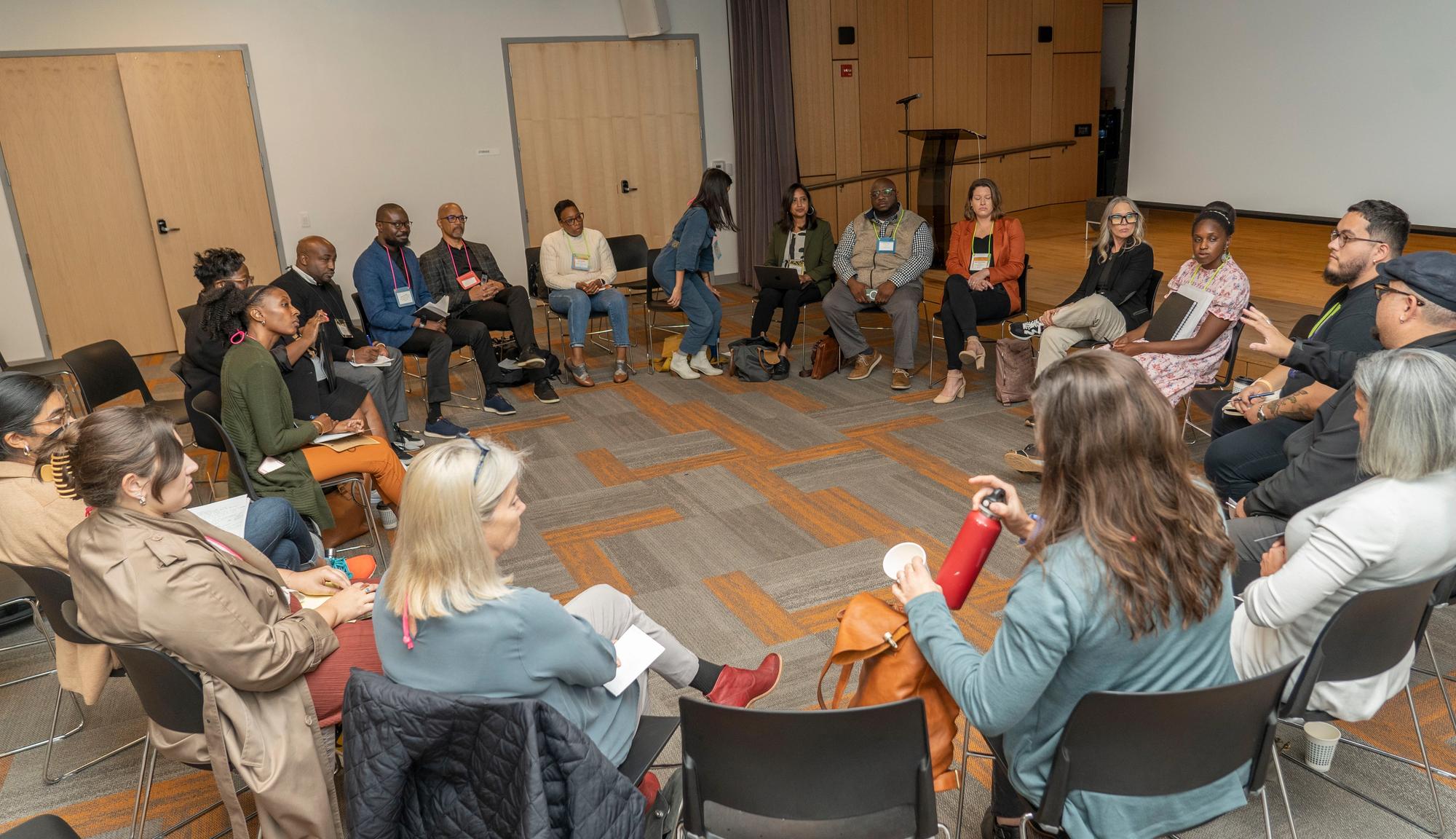
They realized that many industrial development practitioners and advocates felt isolated in their work and wanted to build a community and resources to bring them together. This was meant to inspire a cooperative approach to growing manufacturing to improve economic development in cities.
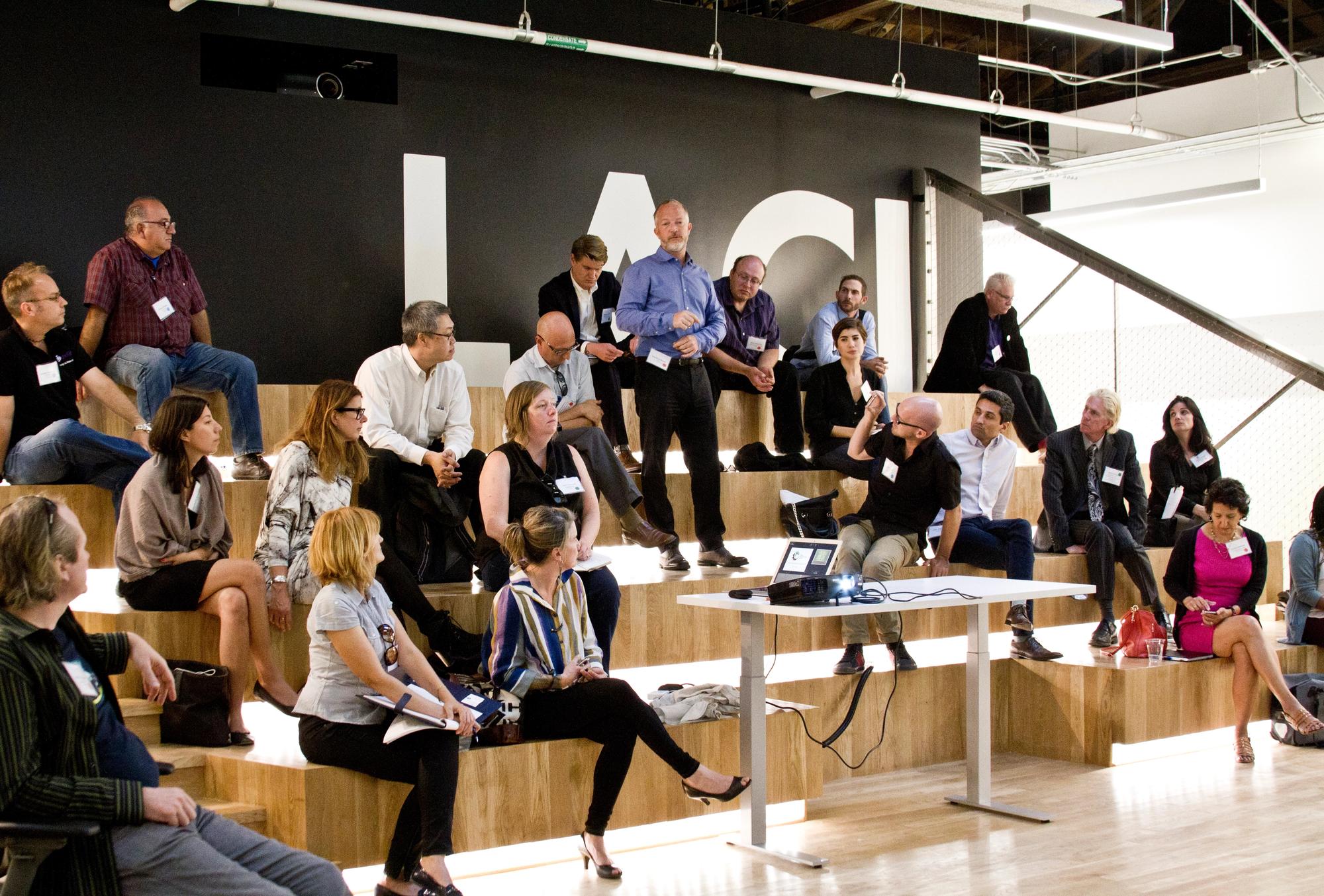
UMA became its own 501c3 in 2015, and spent the next ten years building on that foundation—working in areas such as workforce development, capital access, land use and zoning, real estate development, and local branding. We created toolkits, policy papers, reports, and more—all accessible to anyone. We built a network of over 2000 organizations across more than 300 cities, towns, and regions, representing entities as diverse as community colleges to churches, municipal agencies to retailers, chambers of commerce to community-based organizations.
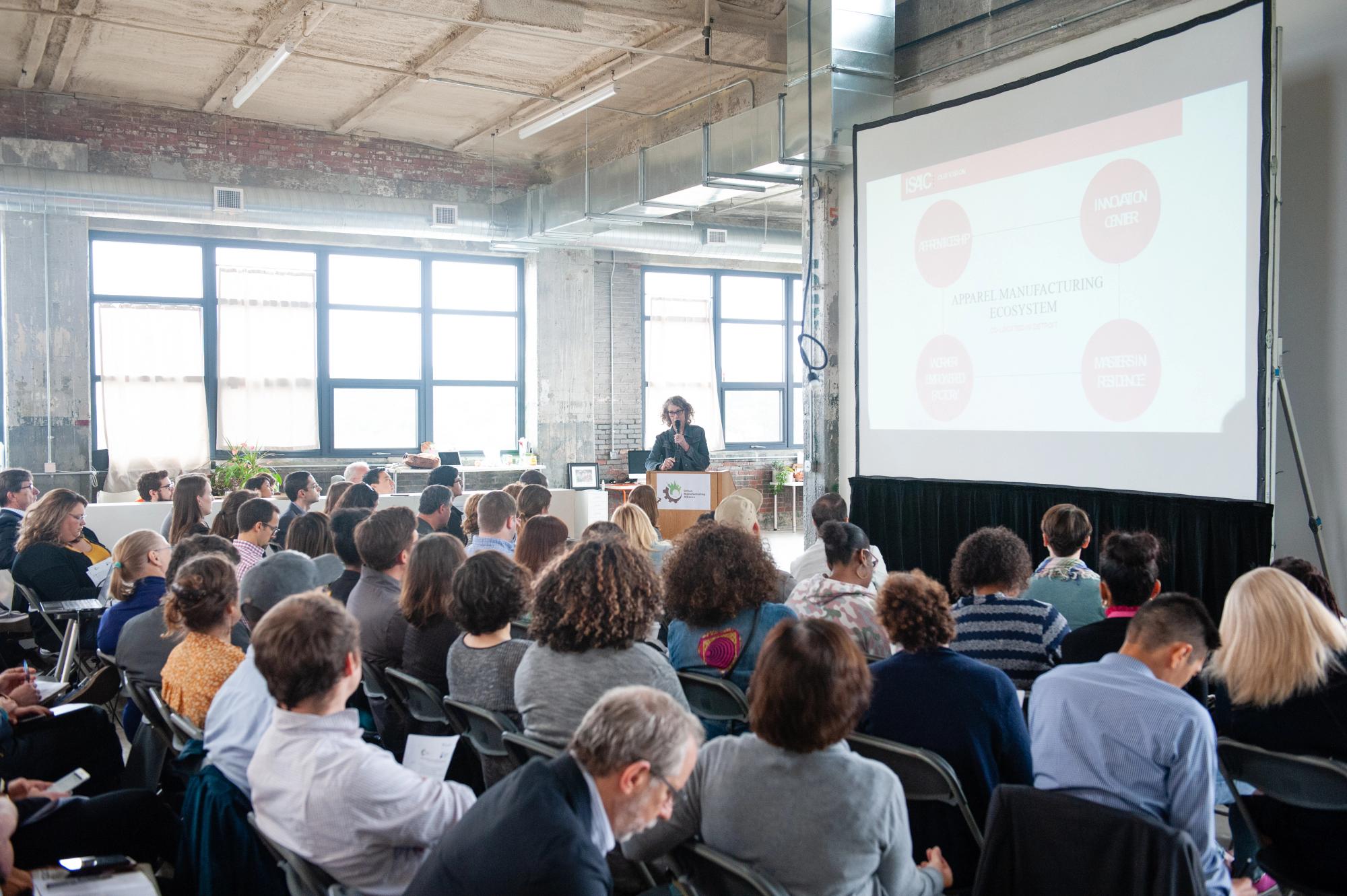
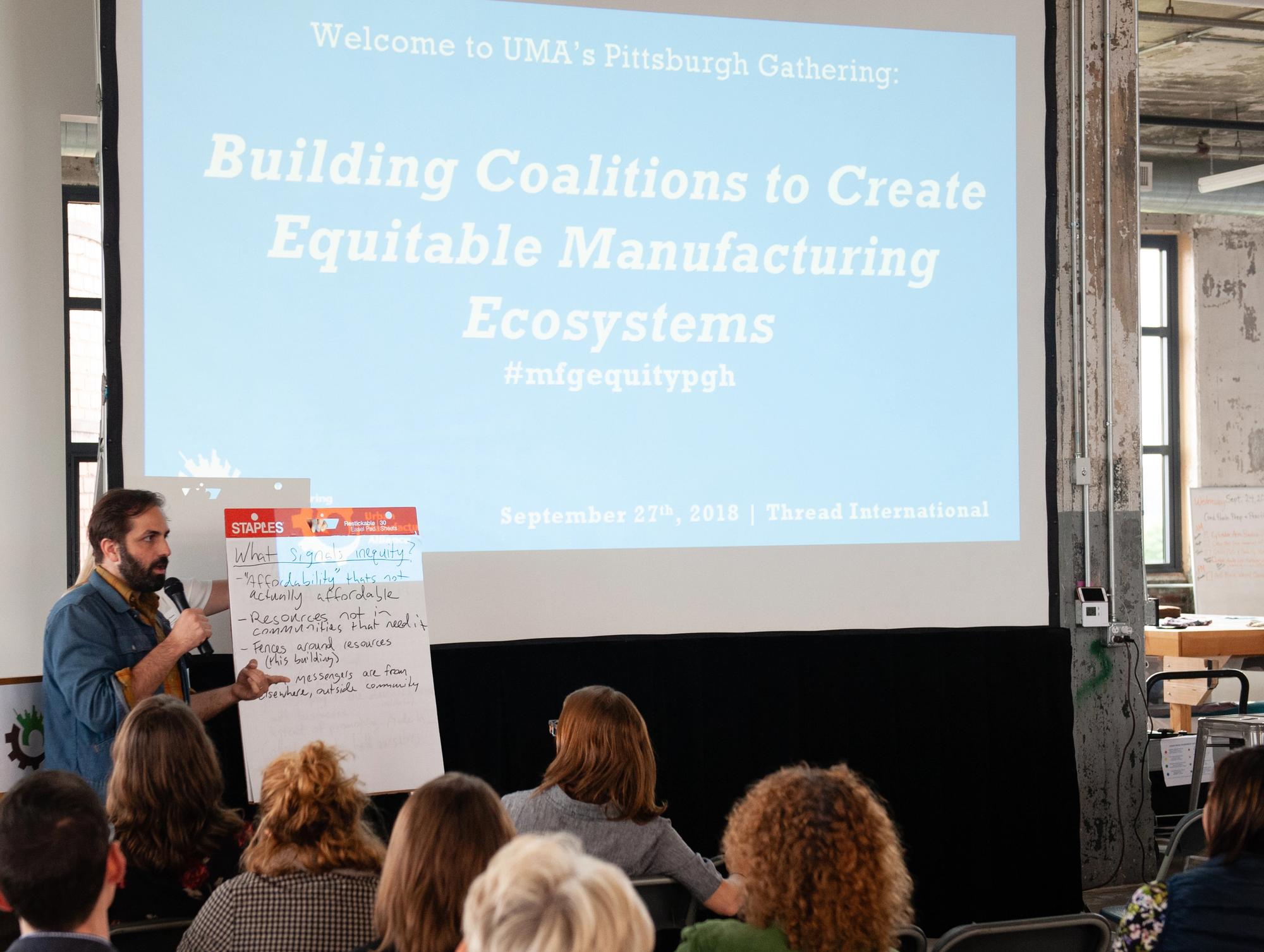
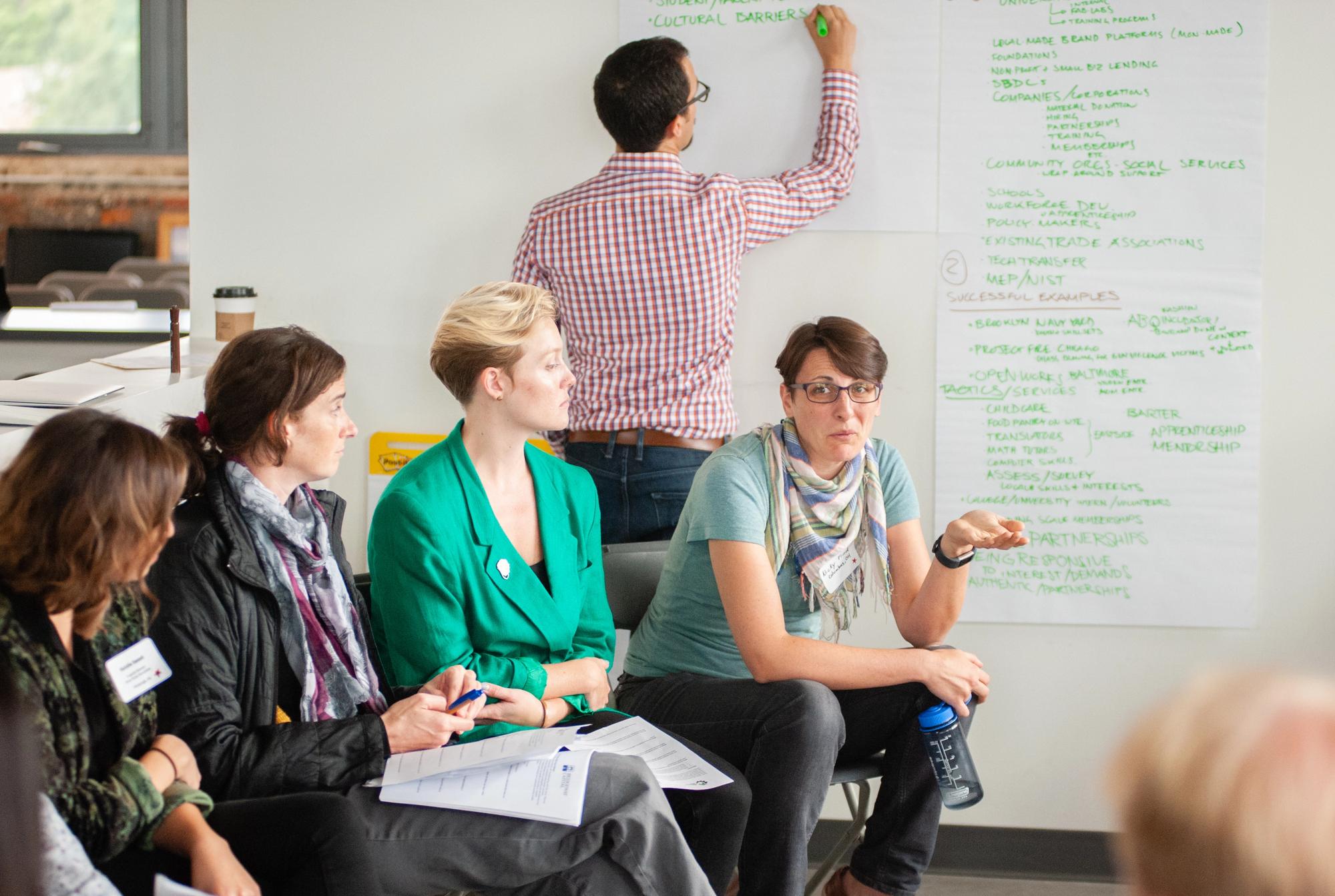
As UMA, we were on the forefront of integrating racial equity into the economic development approach in our Equitable Innovation Economies Initiative (2016). We bolstered the local economies movement through our Local Branding Initiative work and our State of Urban Manufacturing report and process (2018).
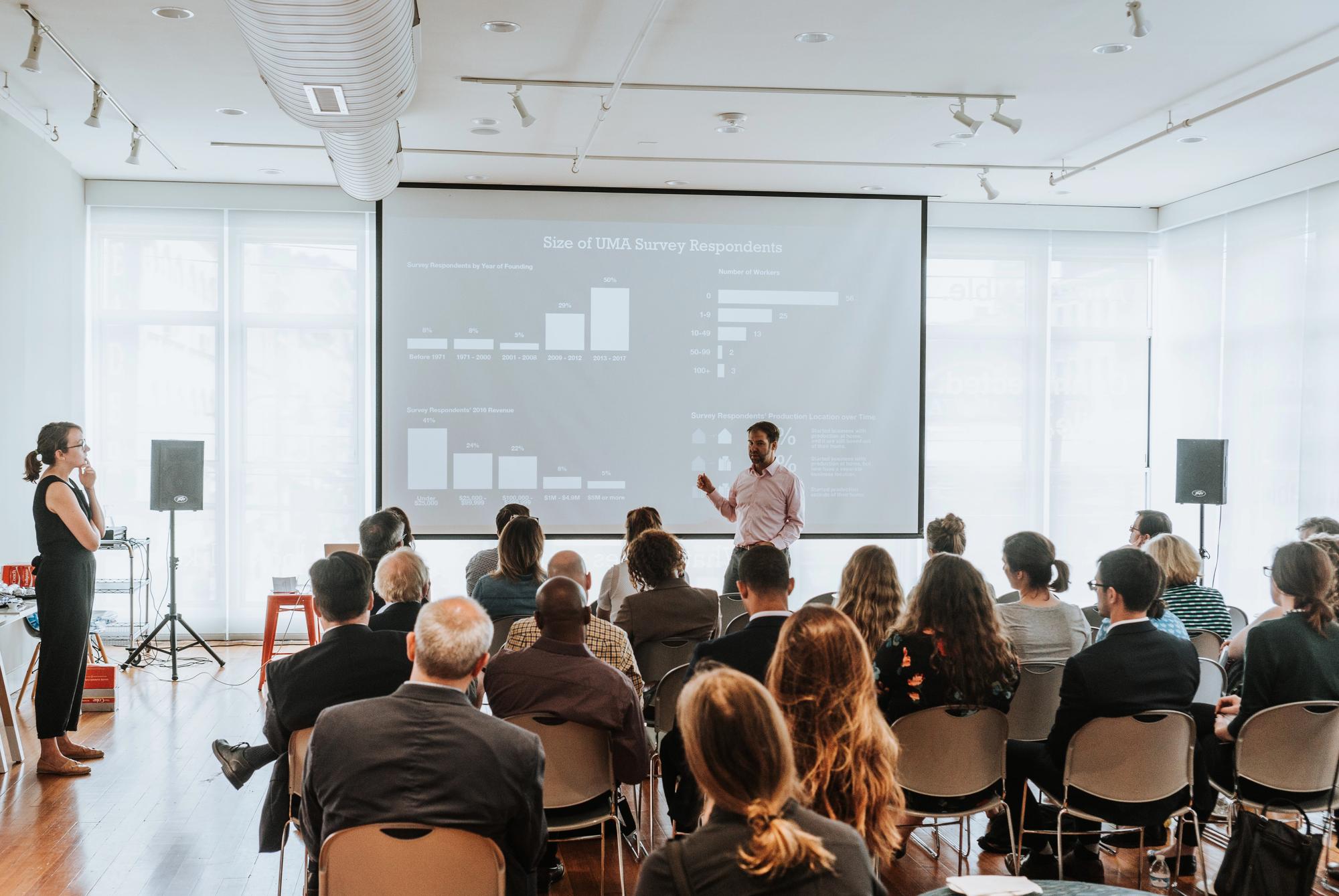
In 2020, we were poised to meet the intertwined moment of racial justice reckonings and the resurgence of support for manufacturing due to COVID-19. UMA became a force-multiplier for the amazing, catalytic work done by our partners on the ground, championing manufacturing as a strategy for equitable economic and community development. And, over the course of our history, the organization has consistently evolved to meet the needs of our network and the communities they serve.