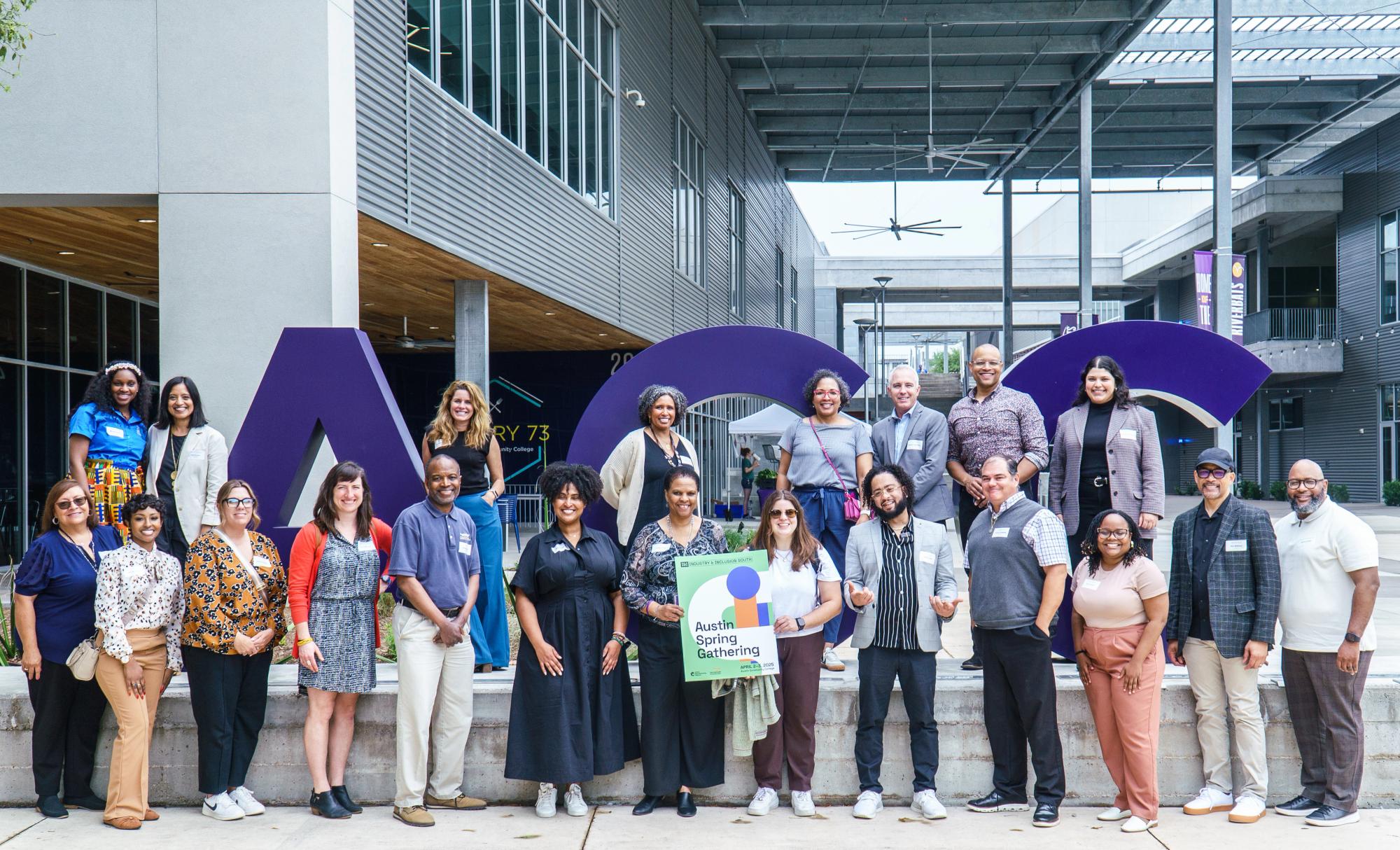
Drawing on lessons from Mechanism and The Century Foundation’s Industry and Inclusion (I&I) South Cohort, this report points toward a set of durable approaches that can expand access to manufacturing careers under evolving federal constraints.
Durable Strategies for Strengthening Manufacturing Talent Pipelines
Policy Lessons from the Industry & Inclusion South Cohort Amid Shifting Federal Priorities

Introduction
The United States manufacturing sector continues to face persistent labor shortages, particularly in middle-skill roles, such as computer numerical programmers, that do not require a four-year degree but demand technical competence, reliability, and the capacity to adapt to evolving production technologies. At the same time, federal workforce policy is undergoing a significant transition. Recent administrations have emphasized increasing labor force participation by expanding access to training and employment for workers historically excluded from many high-wage, high-demand jobs like manufacturing. In contrast, the current federal posture places greater weight on employer-driven solutions with a decreased federal role, while removing all explicit directions related to equity or targeted access.
Drawing on lessons from Mechanism and The Century Foundation’s Industry and Inclusion (I&I) South Cohort, this report points toward a set of durable approaches that can expand access to manufacturing careers under evolving federal constraints. Launched in 2020, I&I is a national learning community of community colleges, workforce intermediaries, and employer partners working to strengthen manufacturing talent pipelines.The program’s latest cohort includes five institutions across the South: Austin Community College (TX), College of the Albemarle (NC), Georgia Tech Industrial Training & Assessment Center (GA), Tennessee College of Applied Technology (TCAT), Jackson (TN), and St. Petersburg College (FL). Learnings from this program offer important insight into how institutions are adapting recruitment, training, and support strategies amid shifting federal priorities.
The analysis that follows examines the threats and risks associated with the current policy environment, describes the manufacturing talent development framework of cohort colleges, and distills practical lessons from the I&I cohort that can serve as a playbook to other community colleges. Together, these recommendations support efforts to strengthen manufacturing talent amid an evolving policy environment.
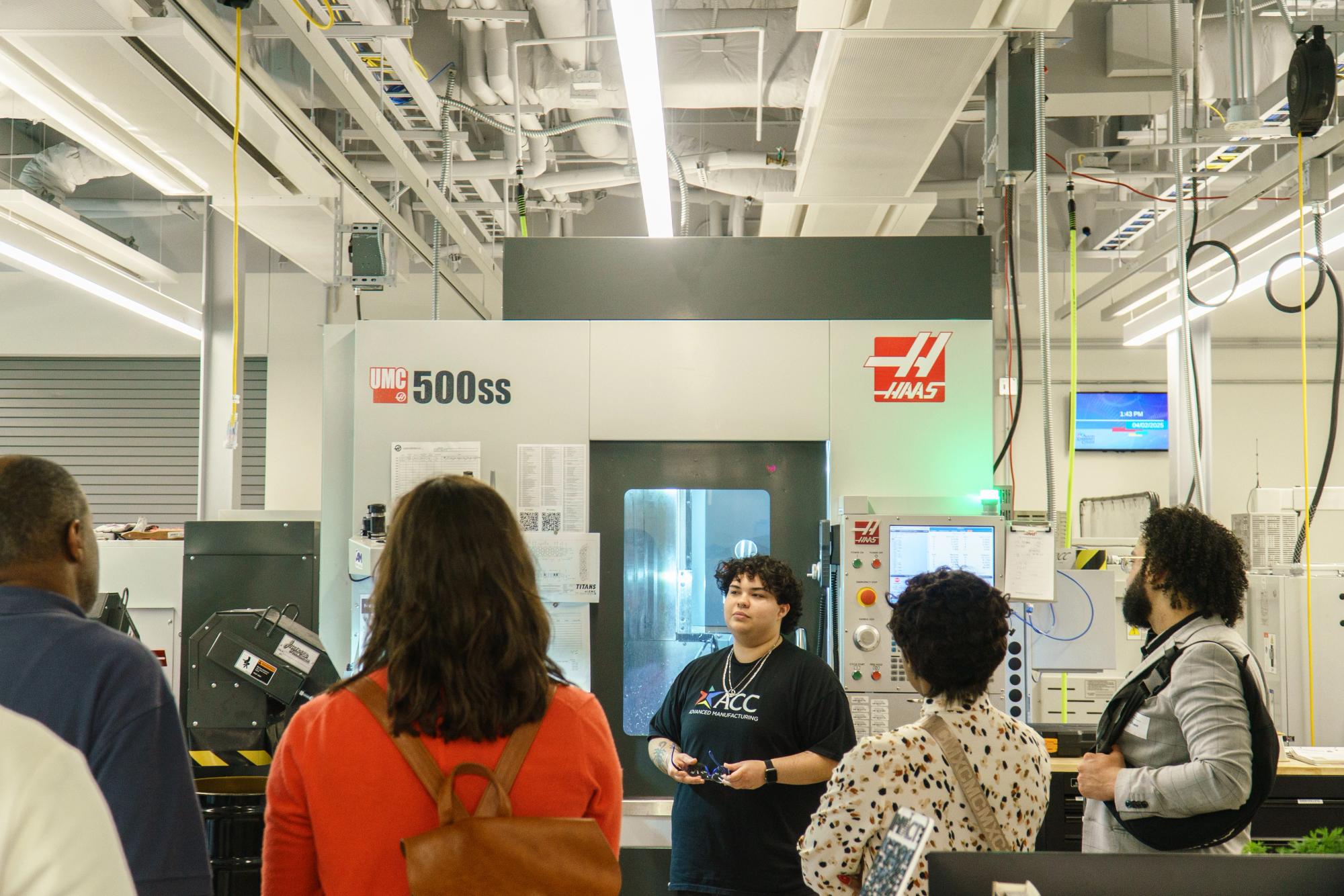
From the Classroom to Manufacturing Careers: Potential Threats to Scaling Diverse Talent
Pullback from explicit equity strategies at the federal level poses real risks for cohort participants as they navigate how to sustain inclusive workforce strategies. The 2025 Anti-DEIA Executive Order and subsequent U.S. Department of Education agency guidance has created uncertainty around targeted outreach and data collection. In addition, initial guidance from the Office of Personnel Management and the Department of Defense has reinforced caution in program design. In addition, the Department of Education’s decision to end discretionary funding to Minority Serving Institutions removes a key source of flexible support that many institutions relied on to broadly serve their student populations.
Without clear mandates or accountability mechanisms to incentivize equitable recruitment and support, and with the risk of negative consequences associated with explicit equity focuses, colleges are likely to struggle to maintain intentional recruitment and support for populations that have historically been left out of manufacturing careers. The erosion of funding and dismantling of institutional structures and programs aimed at supporting historically disadvantaged populations may raise serious challenges for institutions who remain committed to equity outcomes. Cohort members report concerns that due to federal workforce priorities that do not center equity, recruitment efforts may narrow to populations already connected to workforce systems, leading to uneven implementation, reduced investment in wraparound supports, and continued underutilization of available talent. These dynamics threaten not only institutions’ equity goals but also the manufacturing sector’s ability to meet ongoing workforce demand.
The expansion of Pell Grants to short-term workforce training programs, referred to as “Workforce Pell,” has the potential to increase opportunities for workforce training and help address urgent labor demands. In July 2025, Congress passed H.R.1, expanding Pell Grant eligibility to short-term workforce programs (those lasting eight to fifteen weeks). Previously, programs were required to have a minimum length of 15 weeks to be eligible for Pell Grants. To be eligible, programs must meet outcome standards. While the program poses some potential risks to students, Workforce Pell can create new recruitment opportunities in manufacturing programs at community colleges that are tied to high-growth and high-wage jobs within the sector.
For example, pending compliance with the eligibility criteria, the College of the Albemarle’s eight week course on computer numerical control could be approved for Workforce Pell, which would incentivize more students to enroll. Workforce Pell could catalyze enrollment in manufacturing programs at community colleges . However, absent advanced planning and thoughtful evaluation, institutions could miss the opportunity to expand opportunities for students to obtain credentials of value in the manufacturing sector..
While H.R.1’s expansion of Pell to short-term workforce programs goes into effect on July 1, 2026, cohort colleges are not waiting until July 1, 2026 to set their plans in motion. Participants have used the I&I cohort participation period to lay the groundwork for increasing enrollment in programs that may qualify for Workforce Pell and that respond to labor market demands. Fellow community college practitioners can similarly begin strategizing now.
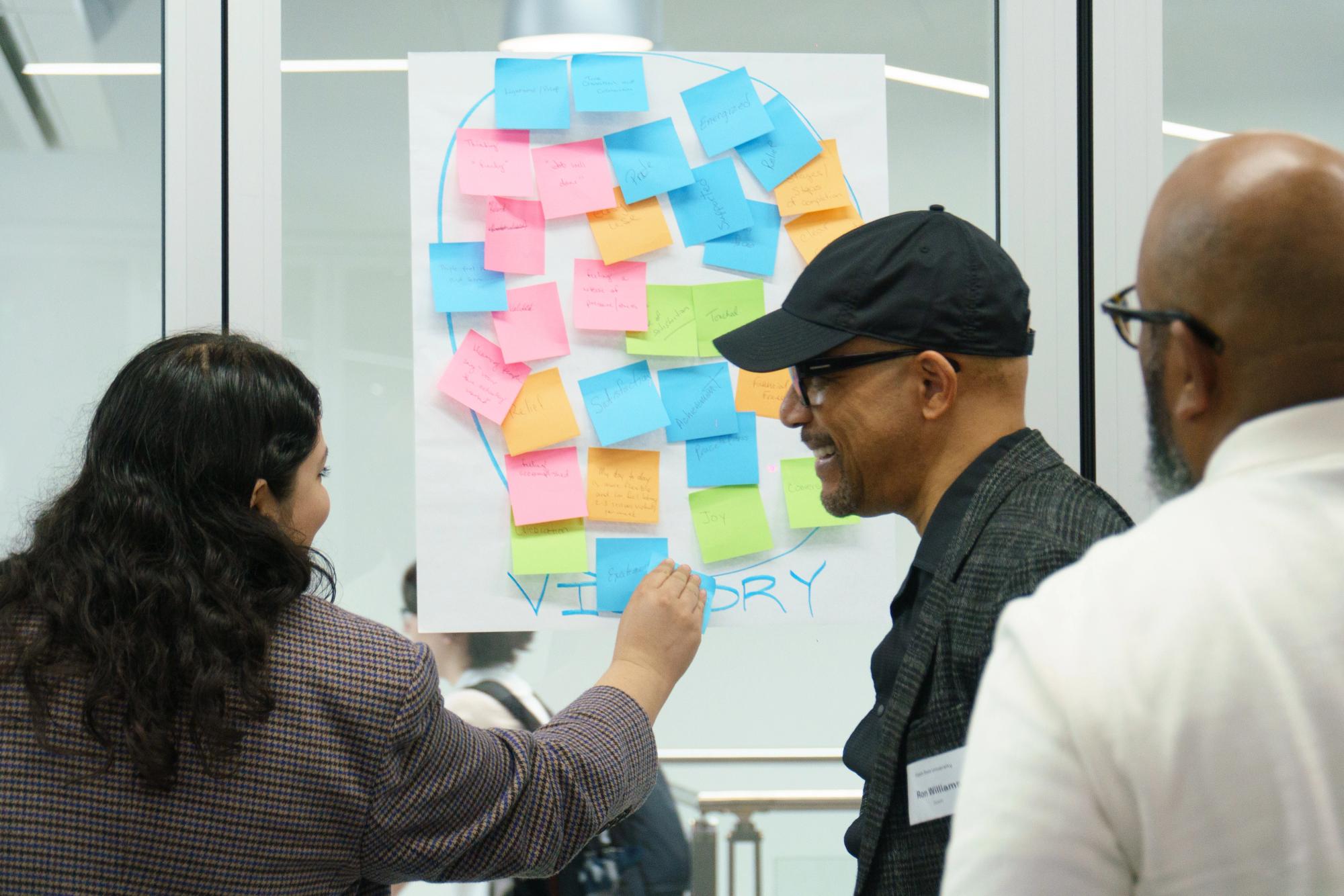
Concrete Strategies for Enabling Access to Manufacturing Careers in this Policy Climate
In a shifting policy environment, durable manufacturing recruitment and training strategies are those that enable economically disadvantaged and displaced workers—including rural workers and those historically excluded from manufacturing pathways—to access careers that provide economic mobility without requiring four-year degrees. Within the I&I cohort, community and technical colleges are developing approaches that pair purposeful recruitment, clear messaging about the potential of manufacturing careers, and responsive training aligned to employer demand. These strategies are most effective when combined with practical supports that help workers enter and persist in training, particularly for adult learners balancing work, family, and financial constraints.
Several cohort institutions translated these principles into program design by rethinking when, how, and for whom instruction is delivered.
Austin Community College focused its efforts on women transitioning from high school to college. During the cohort, they designed and implemented a campus open house that drew nearly 300 attendees. During the event, ACC conducted a survey that revealed that while many women expressed interest in manufacturing careers, they were less confident in their ability to succeed in the field. In response, the ACC team has implemented two key solutions to provide targeted outreach and support to women: hiring a female community recruiter to help foster a sense of belonging among prospective students and introducing manufacturing career pathways to women in the general studies program who have not yet declared a major.
St. Petersburg College in Florida also addressed a key challenge–academic underperformance among men of color in manufacturing-adjacent courses. The college designed flexible scheduling of a supplementary engineering course in the evenings, so adult learners do not have to choose between full-time employment and earning a postsecondary credential. The course is designed to boost the core skills development of mathematics and engineering among underrepresented students, whom the college identified through internal data had the lowest course completion rates.
“The average age of students is 28. They have been out of high school for a very long time and come ill-prepared for math. St. Petersburg College did a series of sessions and hands-on activities to bolster math competencies and recruitment.”
– Andres Cardenas-Valencia, Faculty Member and Cohort Participant
Cohort experience shows that demand for manufacturing jobs alone does not translate into strong enrollment. Even in regions with robust employer demand, programs frequently remain under-subscribed despite standard outreach and recruitment efforts. Institutions that emphasize accelerated credentials, paid work-based learning, and visible employer commitments are better positioned to attract displaced workers, career changers, and individuals disconnected from traditional education pipelines.
TCAT Jackson took a deliberate approach to increasing the full time enrollment of students in advanced manufacturing programs. Prior to joining the cohort, the college faced barriers regarding perception of the sector – many parents viewed technical college as less favorable than a traditional four-year college, and it was not clear whether credential programs were “stackable” (i.e., could lead to more advanced certificate or degree programs). The college also had a conundrum–an increasing number of high school students were taking advantage of their dual enrollment programs, but not matriculating as full-time enrollees. As a solution, the college created a summer program open to dual-credit learners, providing exposure to the manufacturing program and the option of obtaining an OSHA30 credential (a 30 hour training designed for supervisors and workers on the identification and prevention of workplace hazards), upon completion.The summer camp program, which was open to middle and high school students as well as adult learners, boosted full-time enrollment in the college’s advanced manufacturing program, with nearly a third of students transitioning from dual enrollment into full-time students.
Cohort members also found that clear communication about wages, job stability, and advancement opportunities plays a critical role in overcoming skepticism toward training programs. The College of the Albemarle demystified the career exploration process by partnering with high school guidance counselors to host a regular campus event that included student and employer panels and hands-on activities. The College of the Albemarle team provided counselors with a comprehensive overview of the institution’s Industrial Technology related programs (welding, machining, and computer-aided drafting technology), including the range of pathways and prerequisites, free tuition opportunities, and the current job openings in the local labor market. On a monthly basis, the college updates their enrollment and division of learning offices on their manufacturing programs. The college also conducted outreach to their alumni who are currently employed in advanced manufacturing occupations and involved them in informing prospective students on the trajectory and stability of the related jobs. Alumni also accompany local employers to college sponsored events, most popularly, Advanced Manufacturing Day.
All participating community colleges persisted in efforts to broaden access to manufacturing pathways . For some, the rollbacks in support for DEI efforts began long before January 2025, due to state legislation forbidding equity-related activities or the cancellation of funding for such activities. Despite these challenges, cohort members remained committed to providing opportunities to students from all backgrounds and to building a manufacturing workforce that mirrors the diversity of America.
For the College of Albemarle,
“Changing the narrative, including ensuring students understand the stackability of advanced manufacturing credentials, and the opportunity to work in state of the art facilities, became the focal point for communicating to community stakeholders.”
– Michelle Waters, Dean, Business and Applied Technologies
Discussion of Lessons Learned from the Industry & Inclusion Cohort
While federal actors play a large role in dictating workforce policy, community and technical colleges play a key role in the success of such policies. Despite challenges, these institutions are supporting strategic shifts through data-driven and student-centered approaches. Insights from the I&I cohort—spanning regions across the country and recently expanding into the South—underscore the essential role community colleges play in recruiting unemployed and underemployed residents who reflect the diversity of their communities. Community colleges often serve as the primary access point for manufacturing training, particularly for adult learners and rural populations, making their recruitment and support strategies central to workforce outcomes.
Even in areas where manufacturing jobs are readily available, cohort institutions report persistent under-enrollment in training programs. This has reinforced the importance of intentional and broad-based recruitment strategies that extend beyond traditional education marketing. Institutions consistently emphasize the value of deep relationships for successful recruiting in both rural and urban communities, including partnerships with K–12 systems, faith-based organizations, workforce agencies, and other trusted local networks.
Three cohort members – TCAT Jackson, College of the Albemarle, and Austin Community College – leveraged partnerships with K-12 systems to expand dual-enrollment programs at their respective colleges. As an example, TCAT Jackson initiated cross-collaboration meetings with faculty and students to boost recruitment and retention in their dual-enrollment programs and as of October 2025, the college achieved a 43 percentage point increase in advanced manufacturing dual enrollment, with notable gains among rural and economically disadvantaged students. The College of the Albemarle team is working to increase their dual enrollment participation in manufacturing to be in parity with the college average of 53%. In the fall of 2024, three students participated in dual enrollment for machining, and by the fall of 2025, enrollment increased to nine students. Although the college has exceeded their goals for the average participation, they are harnessing their learnings from the cohort to grow manufacturing enrollment.
At the same time, cohort members report growing pressure in the current political climate to step back from explicit outreach to women and people of color and to operate without the equity metrics that previously helped institutions evaluate and refine their recruitment efforts. Many also note that reductions or uncertainty in student support services limit their ability to attract, retain, and advance learners facing significant barriers to participation. These experiences highlight the tension between evolving federal guidance and the on-the-ground realities of building effective manufacturing talent pipelines.
Key Themes from the Industry & Inclusion South Cohort
- Engagement strategies that highlight economic mobility gains continue to be successful strategies. Across the I&I cohort, programs that anchor recruitment around clear messaging about economic gains, such as job placement, wage gains, and career advancement, are more successful in engaging adult learners and sustaining employer commitment. Framing manufacturing pathways in terms of economic mobility aligns with current federal priorities while providing a compelling rationale for inclusive recruitment and investment in high-quality training.
- Intentional outreach and recruitment are essential to building a diverse and robust workforce. Cohort experience demonstrates that manufacturing workforce challenges often mirror recruitment challenges. Even well-aligned training programs fail to scale without deliberate strategies to reach individuals who do not naturally flow into education or workforce systems. Community-based partnerships and employer-visible pathways remain critical tools for expanding the talent pool under tight labor-market conditions.
- Supportive services and accountability structures determine whether training investments translate into results. Training alone does not overcome the external barriers faced by many potential manufacturing workers. Programs that successfully braid funding to provide supportive services achieve stronger persistence and completion outcomes. However, without clear accountability expectations tied to employment and earnings gains, these supports remain vulnerable. Measuring what works—and scaling those approaches—is essential for sustaining effective workforce strategies in a constrained policy environment.
Conclusion
The experience of the Industry & Inclusion South cohort illustrates that expanding access to manufacturing careers amongst historically excluded populations and meeting employer demand are intertwined and complementary goals. Durable workforce strategies center economic mobility, invest in intentional recruitment, and sustain supportive services through coordinated funding and accountability. As federal priorities continue to evolve, these approaches offer a pragmatic foundation for strengthening manufacturing talent pipelines while navigating new policy constraints.