Opinion: Reimagining our Community and Manufacturing Ecosystems Starts with Recognizing Opportunity in the Challenges Ahead
Foreword to the Mechanism report “The State of Urban Manufacturing: National Report”
Andy Stoll, Executive Director | ESHIP Alliance
October 2025
“There has been an oft-discussed, though not yet well-measured, increase in small-batch manufacturing over the past decade,” began the 2019 introduction to the original version of this research report. “Economic development officials and other policymakers,” it continued, “tell us that they’re left with a sense that something is happening, though they’re not entirely sure what or how to describe it.”
Looking back six years later, it’s clear this report was giving us a glimpse into the future.
The State of Urban Manufacturing report was the first national scan to capture a trend in small-batch manufacturing and entrepreneurial ecosystem building that the COVID-19 pandemic recovery would soon accelerate through a surge in new business starts, and renewed enthusiasm and need for “buying local.”
The record-setting growth in entrepreneurship in the U.S. after COVID-19 — reversing three decades of stagnation — was fueled by both necessity and opportunity. Pandemic-related job losses, increased household savings, and a revaluation of life choices all played a role. Just as important was the rise of innovative digital tools and networks — video conferencing, crowdfunding, online marketplaces, artificial intelligence, and other low- or no-cost technologies — that make it easier than ever to start a business from anywhere.
These global shifts have democratized entrepreneurship for many. More people now have access to the tools to make things, launch businesses, and connect with customers worldwide — including many who have been excluded from the entrepreneurship conversation for far too long.
Yet the same forces fueling opportunity are also reshaping our societies. They bring innovation and access, but the broader economic model within which they operate – where people and places are harmed in the relentless pursuit of profit – is causing disruption that risks wiping out any long-term gains. We see this in accelerating climate change, inequality, declining trust in institutions, and rising authoritarianism.
These overlapping crises are symptoms of an even bigger shift: the end of the Industrial Age. We are moving into a new societal era. I’ve seen it called the Connected Age, the Knowledge Economy, and the Fourth Industrial Revolution. Whatever the name, it is clear from the daily news that our civilization is in transition.
All of this brings uncertainty about the future, but also tremendous opportunity to shape how our society responds. Out of today’s seemingly intractable challenges come the possibility of reimagining how communities will thrive in this new era. We can use today’s influx of technology, connectivity, and human ingenuity to build systems that are more inclusive, sustainable, and regenerative.
This State of Urban Manufacturing report, now republished under the banner of Mechanism, begins to show us how.
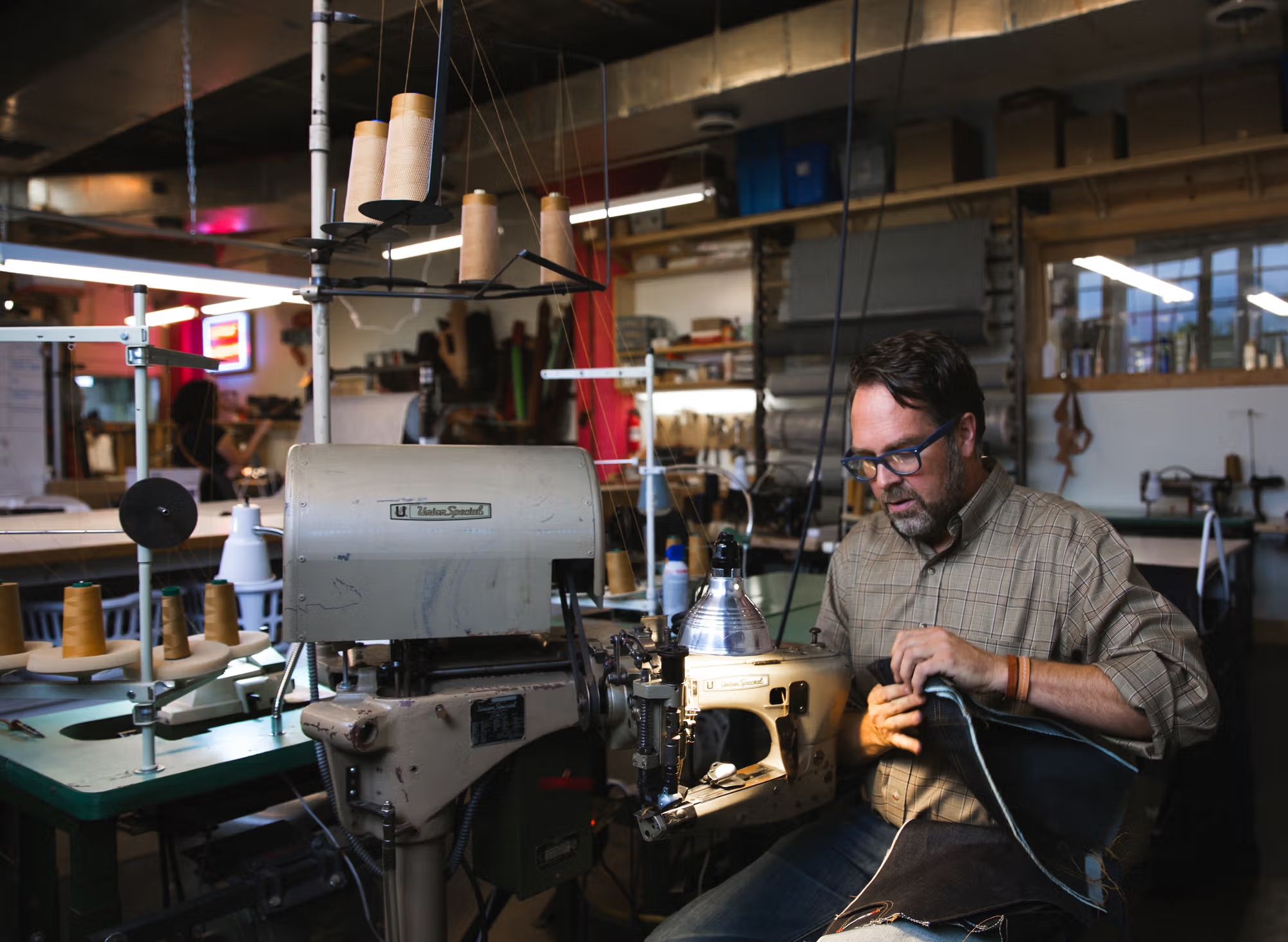
The report highlights a group too often overlooked in our economy: small-scale local producers. These artisans, designers, and innovators may not call themselves “manufacturers” or “entrepreneurs,” yet they bring dynamism and resilience to local economies. Across the country, community leaders are reimagining the conditions needed for these local producers to thrive by rethinking spaces and policies, forging new economic development partnerships and workforce programs, and pioneering new community-centered approaches and jobs (e.g, “Ecosystem Managers”).
Even though it was published six years ago, this report identifies both promise and obstacles that still ring true today. Entrepreneurs need affordable, right-sized production space. They need patient, flexible capital. They need workforce strategies that connect young people and underrepresented groups to opportunity. And they need a network of tailored business support. Collaboration between small makers and larger manufacturers also remains an often untapped source of growth.
But the lessons extend beyond manufacturing. They show how communities will navigate this societal transition by building resilient and diverse entrepreneurial ecosystems: collaborative networks that connect across silos, restore trust in local relationships, and empower local leaders and creators. Mechanism’s wider portfolio of work demonstrates that when we nurture these networks, entrepreneurs and communities alike can flourish, no matter how uncertain the future may feel.
The future of our communities will not be written by distant institutions or devised solely in Washington, D.C. It will be written by those who come together, build trust, and empower communities and entrepreneurs to pursue opportunities others cannot yet see.
That is the spirit of this report — and the spirit of Mechanism. And it is why, even in a time of disruption, I remain hopeful.
Keep building.